Call Us Today!
(425) 999-8159
New Patients
(425) 264-7102


At the office of 360 Dental of Mill Creek, we focus on nurturing healthy, confident smiles from the very first tooth. Our pediatric dentistry approach combines gentle care, development-focused assessments, and clear guidance for families so children learn healthy habits that last. Whether a child is visiting for the first time or returning for routine care, our goal is to create positive experiences that set the stage for a lifetime of good oral health.

Introducing a child to the dental office is about more than examining teeth — it’s an opportunity to build trust and teach parents practical routines. We encourage early visits so we can observe dental development, answer questions about teething and pacifier use, and make personalized recommendations. Early familiarity with the office and team helps children feel safe and supported during future visits.
Our team uses techniques tailored to young patients to keep visits calm and constructive. Simple explanations, child-friendly language, and a gentle touch help reduce fear and make oral care feel approachable. When children leave appointments feeling respected and understood, they are more likely to cooperate with home care and attend regular checkups.
We combine a thoughtful bedside manner with careful clinical assessment. From growth and bite evaluation to anticipatory guidance on habits and nutrition, early visits give parents the information they need to protect developing smiles. These formative appointments create a foundation for prevention and timely intervention when needed.
Prevention is the backbone of pediatric dentistry. Regular dental exams and professional cleanings remove plaque buildup before it becomes a cavity and allow us to track how a child’s bite and jaw are forming. During these visits we discuss daily brushing and flossing techniques that evolve as a child gains dexterity, and we provide age-appropriate guidance so families can build consistent routines.
When needed, we use digital radiographs to see what’s happening beneath the surface, monitor tooth eruption, and locate early decay that can be treated conservatively. Fluoride treatments and dental sealants are preventive tools that reduce the risk of cavities in vulnerable areas. We explain the benefits and timing of each option so parents can make informed choices for their child’s care.
Preventive appointments are also a chance to teach children about healthy nutrition for oral development. We help families identify high-risk foods and drinks and suggest smart swaps that protect teeth while still fitting into daily life. The combination of professional care and informed home practices gives children the best chance for lasting oral health.
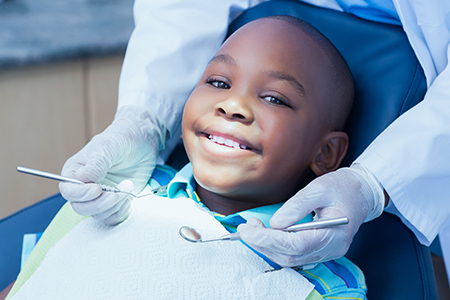
Consistent checkups allow us to catch problems early, when treatment is simpler and outcomes are better. Many common childhood dental issues — from cavities to alignment concerns — are easier to manage when detected early. Routine visits also let us reinforce home-care habits and address new challenges as children grow.
Every checkup includes a careful review of medical history, a visual exam of teeth and soft tissues, and a discussion about growth and function. For children with special needs or heightened anxiety, we tailor the experience so care is delivered safely and respectfully. The goal is to make each visit productive and reassuring for both child and parent.
Tooth decay remains one of the most common health issues affecting kids, but it is largely preventable. Daily oral hygiene, reduced exposure to sugary snacks and drinks, and timely professional preventive measures significantly lower the risk of cavities. When decay is detected, we choose treatments that preserve healthy tooth structure and minimize discomfort.
Part of our role is educating families about habits that increase or decrease risk. Simple strategies — like avoiding prolonged use of bottles with milk or juice, encouraging water between meals, and supervising brushing until a child can handle it independently — can make a measurable difference in a child’s dental trajectory.
Establish dental visits early and keep them regular so kids become comfortable with care
Keep infant and toddler mouths clean by wiping gums and brushing emerging teeth with an age-appropriate brush
Avoid letting babies fall asleep with bottles containing milk or juice; water is safer for teeth
Bring children in for routine exams and professional cleanings as recommended by the dentist
Model consistent brushing and flossing so children learn good habits from parents and caregivers
Limit sugary snacks and drinks, and encourage nutritious choices that support growth and oral health
Offer guidance and positive reinforcement to help children stop pacifier or thumb-sucking at the right time
Make sure young athletes wear a properly fitted mouthguard when participating in sports

A child’s dental care begins before most parents expect — primary teeth develop early and begin to emerge in the first year. Pediatric experts recommend a first dental visit around the time the first tooth appears or by the first birthday. Early appointments let us demonstrate gentle cleaning techniques for infants and answer common questions about teething and feeding routines.
When teeth begin to erupt, parents can use a soft cloth or an infant toothbrush to clean the gums and new teeth. As more teeth come in, a tiny smear of fluoride toothpaste may be used under professional guidance. We work with families to teach safe brushing habits and to monitor how teeth are erupting, so problems can be identified and managed proactively.
Teething can make infants irritable and disrupt sleep and feeding patterns. Safe, simple measures such as chilled teething rings or a cold washcloth can provide relief. If parents are unsure about symptoms or notice anything unusual, we invite them to contact our team for advice and an evaluation.
Children’s jaws and facial structures develop over many years, and small issues identified early can sometimes be guided to simpler solutions. During routine visits we monitor facial growth, jaw alignment, and tooth eruption patterns. This surveillance helps us determine whether interceptive measures — like space maintainers or habit management — could prevent more complex problems later.
Thumb- or finger-sucking and extended pacifier use are common in young children, but persistent habits can affect tooth position and bite. We provide age-appropriate strategies to help children move past these habits with supportive, non-punitive approaches. When orthodontic concerns are suspected, we discuss timing and potential referrals so families understand available options.
For children who play competitive sports or engage in active play, a custom-fitted mouthguard is a practical investment in injury prevention. Protecting a developing smile from trauma is an important part of comprehensive pediatric care and one of the many ways parents can proactively support their child’s oral health.
Accidents happen, and quick action can make a big difference in outcomes. For knocked-out permanent teeth, fractured teeth, or soft-tissue injuries, stabilizing the child and seeking prompt dental attention is important. We provide clear, age-appropriate guidance on what to do in common emergencies and deliver prompt, compassionate care to minimize pain and preserve oral health.
Toothaches and infections can also arise quickly and require timely assessment. Our team focuses on diagnosing the source of discomfort, providing relief, and outlining next steps for healing. Families can rely on a steady, experienced partner when unexpected dental issues occur.
We prioritize a calm environment and clear communication during urgent visits, explaining each step of care so parents and children feel informed and reassured. Early treatment often prevents more extensive procedures and helps get children back to their normal activities as soon as possible.
In summary, pediatric dentistry blends prevention, education, and careful clinical oversight to protect growing smiles. From the first tooth through the teenage years, consistent checkups, thoughtful habit guidance, and early intervention when needed set the stage for lifelong oral health. To learn more about pediatric dentistry at 360 Dental of Mill Creek, please contact us for more information.

The American Academy of Pediatric Dentistry recommends a first dental visit by the time a child’s first tooth appears or by their first birthday. Early visits allow the dentist to evaluate dental development, identify potential concerns, and introduce families to preventive routines. Scheduling this visit early helps children become familiar with the office environment and the care team, which can reduce fear at future appointments.
During the initial visit, clinicians focus on gentle assessment and education rather than extensive treatment. Parents receive guidance on infant oral care, teething comfort measures, and feeding practices that affect oral health. Establishing a dental home early sets a foundation for regular checkups and long-term prevention.
A pediatric dental checkup usually includes a review of medical history, a visual exam of the teeth and soft tissues, and an assessment of bite and jaw growth. The hygienist or dentist will remove plaque and gently polish teeth when appropriate, and will demonstrate age-appropriate brushing and flossing techniques for parents to use at home. If indicated, the team may recommend digital radiographs to evaluate areas not visible during the clinical exam.
Checkups are also opportunities to discuss nutrition, oral habits, and injury prevention such as mouthguard use for sports. The dentist will provide anticipatory guidance tailored to the child’s developmental stage and answer parent questions about teething, pacifier use, or eruption patterns. Follow-up intervals are determined by the child’s risk for decay and overall oral health needs.
Establishing a routine makes daily oral care predictable and manageable for children. Parents should brush a child’s teeth twice a day with an age-appropriate toothbrush and the recommended amount of fluoride toothpaste, supervising and assisting until the child has the dexterity to brush effectively on their own. Introducing flossing when teeth contact each other and modeling positive behavior helps children learn the importance of regular oral care.
Make oral hygiene engaging by using a timer, fun toothbrushes, or a consistent story or song to mark the duration of brushing. Praise and positive reinforcement encourage cooperation without pressure, and gradual independence supports skill development. Regular dental visits reinforce home habits and let the dental team provide tailored advice as the child grows.
Preventive care is central to pediatric dentistry and may include professional cleanings, fluoride varnish applications, and dental sealants on molars to protect grooves where decay often starts. These measures reduce the risk of cavities and are selected based on the child’s age, risk factors, and dental development. Digital radiographs are used selectively to monitor eruption patterns and detect early decay that cannot be seen visually.
In addition to in-office treatments, pediatric dentists emphasize nutrition counseling and habit guidance to limit cariogenic foods and beverages. The dental team will work with families to create a personalized prevention plan that balances professional care with practical home routines. Early and consistent preventive efforts support long-term oral health and can reduce the need for restorative treatment later on.
Pediatric dental teams use child-centered communication techniques to create a calm, welcoming environment and to reduce fear during visits. Strategies include using simple, age-appropriate explanations, tell-show-do methods, positive reinforcement, and gradual exposure to dental instruments and procedures. The goal is to build trust and cooperation while respecting the child’s emotional needs.
For children with higher levels of anxiety or special needs, appointments can be adapted with longer visits, quiet treatment rooms, or the presence of a parent to provide reassurance. The dental team may also coordinate with other healthcare providers to develop behavior guidance plans or to consider safe comfort options when clinically appropriate. Emphasizing clear communication before and during visits helps families feel informed and children feel supported.
Tooth decay is often preventable but can progress quickly in young children, so parents should watch for white spots, brown discoloration, holes in teeth, pain, or sensitivity during eating and drinking. Difficulty sleeping, refusal to eat, or persistent bad breath can also indicate dental infection or decay that needs evaluation. Regular checkups allow the dentist to identify early changes before symptoms develop.
Risk factors to discuss with the dental team include frequent sugary snacks or drinks, prolonged bottle or sippy cup use, inadequate oral hygiene, and certain medical conditions or medications. Early detection enables conservative treatment options to preserve tooth structure and maintain comfort. Prompt assessment and preventive planning help avoid more extensive procedures and support ongoing oral health.
Nonnutritive sucking behaviors such as pacifier use and thumb-sucking are common in infants and toddlers and usually do not cause lasting problems if they stop by age 3 to 4. Persistent, forceful sucking beyond the preschool years can influence tooth position and bite development, potentially creating open bites or altered jaw growth. Extended bottle use, especially with sugary liquids, increases the risk of early childhood caries.
Pediatric dentists provide practical, age-appropriate strategies to help children wean from these habits with positive reinforcement and gradual behavior changes. If habitual behaviors persist and begin to affect dental alignment, the dental team may recommend interceptive measures or refer to orthodontic specialists for further evaluation. Early discussion and gentle guidance often prevent long-term issues.
Growth and alignment are monitored throughout childhood because early signs of malocclusion or jaw discrepancy can appear well before permanent teeth erupt. The American Association of Orthodontists recommends an orthodontic evaluation by around age 7, but pediatric dentists track facial growth and eruption patterns at routine visits and will advise if earlier assessment is warranted. Early evaluation helps determine whether interceptive treatment, such as space maintenance or habit correction, could simplify future orthodontic needs.
If the dental team identifies crowding, crossbites, severe spacing, or asymmetry in jaw growth, they will discuss timing and potential referral to an orthodontist. Collaborative planning between pediatric dentists and orthodontists ensures treatment occurs at the most effective developmental window. Families receive clear information about monitoring, noninvasive options, and the goals of any recommended interventions.
In a dental emergency such as a knocked-out permanent tooth, fractured tooth, or significant swelling, act quickly and contact dental care immediately to maximize the chance of a favorable outcome. For a knocked-out tooth, handle the tooth by the crown, rinse gently if dirty, and attempt to place it back in the socket or keep it moist in milk or saliva while seeking urgent care. For severe pain, swelling, or signs of infection, seek prompt evaluation to control pain and address the underlying cause.
At the office of 360 Dental of Mill Creek, our team provides clear, age-appropriate guidance for common pediatric emergencies and prioritizes timely, compassionate care to stabilize and treat urgent conditions. Parents should bring any avulsed tooth or broken tooth fragment to the appointment and be prepared to describe how the injury occurred. Quick assessment and communication with the dental team help minimize complications and restore comfort as soon as possible.
Nutrition plays a key role in tooth development and cavity risk because frequent exposure to sugars and acidic foods encourages tooth decay. Encouraging water between meals, offering whole fruits instead of sugary snacks, and limiting sticky or frequent-sipping beverages reduces decay risk while supporting overall health. Balanced meals with adequate calcium and vitamin D also support healthy tooth and jaw development.
Pediatric dentists work with families to create realistic, sustainable strategies for mealtime and snacking that fit daily life while protecting teeth. Practical steps include scheduling snacks, choosing tooth-friendly options, and rinsing or brushing after sugary treats when possible. Combining sound nutrition with consistent oral hygiene and regular dental visits optimizes a child’s oral health trajectory.