Call Us Today!
(425) 999-8159
New Patients
(425) 264-7102


At 360 Dental of Mill Creek, we take a preventive, evidence-based approach to oral health. Regular oral exams are the cornerstone of that approach: they give us the information we need to protect your smile, catch emerging problems early, and tailor care to your lifestyle and medical history. Our goal is to make every visit efficient, informative, and comfortable so you leave with a clear understanding of your oral health and the next steps—if any—that are recommended.
Your initial oral exam is more than a quick look inside your mouth. We begin with a thoughtful review of your medical and dental history so we understand any medications, conditions, or habits that affect oral health. This conversation helps our clinicians identify risk factors—like dry mouth, tobacco use, or a history of gum disease—that influence the exam and any recommended preventive measures.
Next comes a hands-on clinical evaluation. We inspect each tooth, the gums, and the supporting bone and soft tissues, check how your bite fits together, and assess joint function in the jaw. We also screen for common issues such as cavities, early signs of gum disease, enamel wear from grinding, and any unusual lesions or oral changes that warrant closer attention.
Diagnostic imaging is recommended as needed to reveal what visual inspection can’t show—hidden decay, bone loss, or developing problems below the gumline. Based on the exam and images, our team will explain any findings clearly, outline conservative options when possible, and work with you to create a care plan that respects your priorities and comfort.
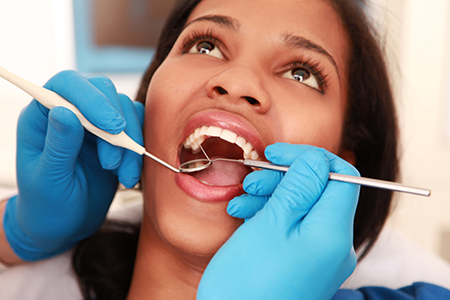
The mouth is connected to the rest of the body, and changes inside the oral cavity can both reflect and influence systemic health. During an oral exam we don’t just look for tooth decay and gum inflammation; we also watch for signs that may point to broader medical concerns, such as persistent oral lesions, unusual bleeding, or pronounced dry mouth that can affect nutrition and comfort.
Research continues to show links between oral conditions and systemic illnesses. Inflammation from untreated gum disease, for example, has been associated with higher risk for several long-term health problems. Because of these connections, an oral exam is an opportunity to identify potential warning signs early and coordinate with your primary care provider when appropriate.
Certain oral symptoms can indicate problems elsewhere in the body. If you experience ongoing dry mouth, unexplained sores, or sudden changes in chewing or swallowing, bring these up at your visit. Prompt evaluation helps us distinguish routine dental issues from conditions that may require medical collaboration.
Digestive conditions
Respiratory concerns
Heart and circulatory disease
Stroke risk factors
Diabetes-related oral complications
Neurological conditions with oral symptoms

Good daily habits are essential, but professional care fills the gaps home care can’t always reach. Routine checkups let us remove hardened deposits and biofilm that brushing and flossing can miss, lowering the risk of cavities and gum disease. Cleanings also make your mouth feel healthier and allow us to monitor changes over time.
Regular visits give us a chance to reinforce effective homecare techniques and to customize guidance—such as the best brushing method, flossing aids, or targeted products—based on your risk profile. For children and adults alike, consistent preventive care builds a foundation for long-term oral health and often reduces the need for more invasive treatment later on.
We typically recommend routine evaluations at intervals that suit each individual's needs. During these visits we track tooth development, gum health, and bite alignment, and we discuss any lifestyle factors that influence oral wellness. Our aim is to partner with patients so preventive care becomes an achievable, sustainable part of daily life.
Checkups are also a time to screen for common functional problems—such as clenching and grinding—that can lead to enamel wear, sensitivity, and jaw discomfort. Early detection means more conservative, effective treatment options.
Visual exams are essential, but many dental problems begin beneath the surface. Digital imaging technologies give us a clear view of tooth roots, the jawbone, and areas between teeth—places that aren’t visible to the naked eye. Capturing images quickly and safely helps us detect decay, bone loss, and other issues at an earlier, more treatable stage.
Digital radiography reduces radiation exposure compared with older film techniques and produces images instantly for review and comparison. That speed improves diagnostic accuracy and helps us explain findings to patients with clear visuals. We use imaging judiciously, selecting the right type of film or scan based on your symptoms, risk factors, and treatment needs.
In certain cases, three-dimensional imaging (cone-beam computed tomography) provides detailed views that are invaluable for surgical planning, implant placement, and evaluating complex anatomy. These tools enhance precision and contribute to safer, more predictable outcomes when advanced treatment is required.
Lower radiation exposure with faster processing
Immediate image review for more informed decisions
Streamlined sharing with specialists when consultation is needed
Environmentally friendlier — no chemical developers
Images stored digitally for tracking and treatment planning

Not all x-rays show the same information. We choose the most appropriate radiograph for each situation to get the detail we need while minimizing exposure. Selecting the right image helps with accurate diagnosis and with planning any necessary treatment.
Periapical x-ray - Focuses on an individual tooth from crown to root and the surrounding bone. This view is helpful for identifying root problems, infections, and bone changes near a troublesome tooth.
Bitewing x-ray - Captures the crowns of back teeth and is especially useful for spotting early decay between teeth that isn’t visible during a clinical exam.
Full Mouth Series - A collection of bitewing and periapical images that together document the condition of all teeth and supporting structures—useful for establishing a baseline or assessing widespread concerns.
Panoramic Film (panorex) - Provides a broad, two-dimensional overview of the jaws, teeth, and adjacent structures. It’s commonly used to evaluate impacted teeth, jaw development, and overall bone relationships.
Cephalometric Film - A profile image that helps evaluate facial structure and jaw relationships; often used during orthodontic assessment and planning.
When complex, three-dimensional detail is necessary—such as for certain surgical cases or implant planning—CBCT imaging can provide high-resolution 3D anatomy that supports precise treatment decisions. We always match the imaging method to the clinical question so you receive only the images that are relevant to your care.
At 360 Dental of Mill Creek, our approach to oral exams balances careful observation, modern diagnostics, and clear patient communication. If you’d like to learn more about what happens during an exam or which preventive strategies are best for your smile, please contact us for more information.

At the office of 360 Dental of Mill Creek, an oral exam begins with a review of medical and dental history to understand medications, health conditions, and any symptoms that affect oral health. The clinician performs a hands-on inspection of teeth, gums, soft tissues, bite alignment, and jaw joint function to look for decay, gum disease, wear, and other changes. When indicated, the exam is supplemented with diagnostic imaging and a clear explanation of findings and recommended next steps.
The goal of the visit is early detection and patient education, so clinicians prioritize conservative options and preventive strategies when appropriate. Staff will discuss risk factors such as tobacco use, dry mouth, or clenching that influence care and follow-up. You should leave the appointment with a tailored plan and clear instructions for home care or additional diagnostics if needed.
Bring a list of current medications, any recent medical diagnoses, and notes about dental symptoms or concerns you want addressed. If you have dental records, recent x-rays, or a list of prior treatments from another provider, those can help the team assess your history more efficiently. Arrive ready to discuss lifestyle factors such as tobacco use, diet, and oral hygiene routines so the clinician can evaluate risk accurately.
Prepare questions in advance so you can make the most of the visit and understand any recommendations. If you experience anxiety about dental care, mention it so the staff can offer supportive techniques to help you feel more comfortable. Expect the initial exam to include visual inspection, palpation, and possibly imaging, with time set aside to review results and plan follow-up.
Frequency of oral exams varies based on individual risk factors, oral health status, and medical history rather than a one-size-fits-all interval. Many patients benefit from examinations every six months, but people with active gum disease, a history of cavities, or certain medical conditions may need more frequent visits. The clinician will recommend an interval that balances prevention with monitoring needs and will adjust the schedule as your oral health changes.
Regular exams allow the practice to track subtle trends such as enamel wear, gum recession, or bite changes that develop over time. More frequent monitoring can help catch problems at an earlier, more treatable stage and reduce the need for complex care later. Your recall schedule should be a collaborative decision based on clinical findings and your personal priorities.
The mouth often reflects broader health conditions and can show early signs of systemic diseases through changes in tissues, saliva, or oral function. Clinicians look for persistent sores, unusual bleeding, severe dry mouth, or patterns of inflammation that may indicate conditions such as diabetes, nutritional deficiencies, or immune disorders. Identifying these signs early supports timely medical evaluation and coordination with primary care providers when appropriate.
Because research links chronic oral inflammation to other health risks, routine exams are an opportunity to screen for potential warning signs that warrant further investigation. When findings suggest a systemic issue, the office will communicate observations clearly and recommend the appropriate specialist or medical follow-up. Patients who report new symptoms like difficulty swallowing, unexplained mouth lesions, or drastic changes in saliva should mention them at the exam for prompt evaluation.
Dental imaging complements visual exams by revealing structures beneath the surface, and the type of image is chosen based on the clinical question. Common options include bitewing x-rays for early decay between teeth, periapical films for tooth root and bone assessment, panoramic images for an overall view of jaws and tooth development, and three-dimensional cone-beam scans for complex surgical planning. The clinician selects the minimum imaging necessary to diagnose concerns accurately and to plan any required treatment.
Modern digital radiography offers lower radiation exposure and immediate image review, which helps clinicians explain findings using clear visuals. Digital images are stored for comparison over time, improving the ability to track changes and treatment outcomes. When advanced imaging is indicated, the team will discuss how the images inform safety and precision for procedures such as implant placement or assessing impacted teeth.
Yes, oral cancer screening is an important component of a comprehensive oral exam and involves both visual inspection and palpation of tissues. Clinicians examine the lips, tongue, floor of mouth, palate, and throat area for asymmetries, persistent sores, white or red patches, and any lumps or firmness that require further evaluation. Screening also includes reviewing risk factors such as tobacco or alcohol use and patient-reported symptoms like persistent soreness or difficulty swallowing.
If the clinician identifies a suspicious lesion, the practice will recommend appropriate next steps, which may include short-term monitoring, referral to a specialist, or a biopsy for definitive diagnosis. Early detection significantly improves outcomes, so reporting new or persistent oral changes between exams is strongly encouraged. The team will explain findings clearly and coordinate timely follow-up when needed.
During an exam clinicians assess signs of functional issues by examining tooth wear, enamel fractures, gum recession patterns, and muscle tenderness associated with clenching or grinding. The bite is evaluated for uneven contacts and joint sounds or limited movement that can indicate temporomandibular joint dysfunction. Clinicians may also observe patterns of sensitivity, headaches, or facial pain that correlate with functional stress on the teeth and jaws.
Early identification of these problems allows for conservative interventions such as occlusal guards, behavior modification strategies, and teamwork with specialists when necessary. The clinician will discuss noninvasive options aimed at protecting teeth, relieving muscle pain, and restoring comfortable function. Ongoing monitoring at routine exams ensures adjustments can be made if symptoms change.
Professional cleanings remove hardened deposits and biofilm that daily brushing and flossing can miss, which lowers the risk of cavities and periodontal disease and supports overall oral health. During the same visit, the oral exam allows clinicians to assess tissue response, measure pocket depths when indicated, and document any emerging concerns that require treatment or closer monitoring. The combined visit provides both immediate hygiene benefits and a clinical assessment that guides preventive care.
The team uses exam findings to personalize home care recommendations such as brushing technique, interdental aids, and targeted products that address specific risk factors. Patients who maintain consistent preventive visits often experience fewer restorative needs over time because issues are identified and managed early. Regularly scheduled cleanings and exams form the foundation of a long-term approach to keeping teeth and gums healthy.
Cone-beam computed tomography is reserved for cases where three-dimensional detail is necessary to answer specific clinical questions, such as complex anatomy, implant planning, impacted teeth, or suspected pathology that cannot be fully evaluated with two-dimensional images. The clinician recommends CBCT only when its detailed views will change diagnosis or treatment planning in a meaningful way. This targeted approach ensures the benefits of advanced imaging outweigh the considerations involved.
When CBCT is advised, the team explains how the scan supports safer, more predictable outcomes by revealing root positions, bone volume, and the relationship of anatomical structures. The images can be shared with specialists for collaborative planning and are stored for long-term comparison. Patients are informed about the purpose of the scan and how it will influence the proposed care pathway.
After completing the exam and any necessary imaging, clinicians take time to review findings in plain language and show visual materials that help patients understand their oral health status. The discussion focuses on prioritized options that favor conservative care when possible, clear explanations of risks and benefits, and a recommended timeline for follow-up or treatment. Patients are invited to ask questions so they can make informed decisions aligned with their preferences and lifestyle.
The practice documents findings and recommendations for easy reference and coordinates referrals when specialist input is needed. Staff will arrange follow-up appointments or monitoring plans based on the agreed approach and provide written or digital summaries when helpful. This collaborative communication ensures patients leave with clarity about next steps and confidence in ongoing care.