Invisalign® for Teens
Call Us Today!
(425) 999-8159
New Patients
(425) 264-7102


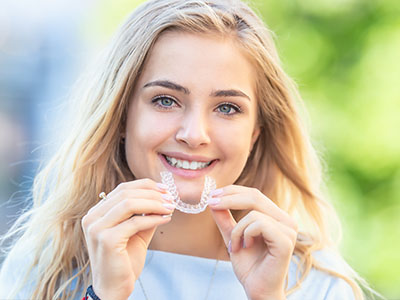
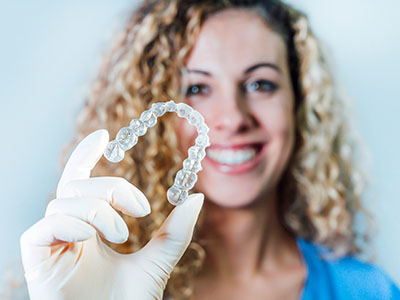
Invisalign® treatment offers a modern, discreet approach to straightening teeth using precisely engineered clear aligners. Designed to fit into active lives, the system relies on digital planning and a series of custom-made trays that guide teeth into healthier, more balanced positions without traditional brackets and wires.
One of the most common reasons adults and teens choose clear aligners is their low visual impact. Aligners are transparent and slim, which means most people notice treatment only when you point it out. This subtlety helps patients maintain confidence at work, school, and social events while progressing through orthodontic care.
Beyond aesthetics, removable aligners simplify daily routines. You can take them out briefly to eat or for oral hygiene, then resume wear without complicated adjustments. This flexibility makes it easier to keep gums and teeth healthy during treatment because brushing and flossing are not impeded by appliances.
The design of the aligners also focuses on comfort. Smooth plastic surfaces avoid the hardware-related soreness or mouth irritation that some patients experience with metal braces. That comfort can make consistent wear more achievable, which in turn supports predictable treatment results.
Modern aligner systems begin with detailed digital records. A fast intraoral scan captures a three-dimensional map of your teeth and bite so your clinician can evaluate current alignment and plan the staged movements needed to reach the desired outcome. This scan replaces messy impressions and creates a permanent digital reference for treatment progress.
Using specialized software, the clinician develops a step-by-step sequence that anticipates tooth movement at every stage. This virtual setup allows for precise adjustments to force application, timing, and the use of small auxiliary features such as attachments. With thorough planning, outcomes become more predictable and efficient.
Digital planning also provides a preview of expected results. While individual responses vary, seeing a visual roadmap helps patients understand their treatment goals and the phases they’ll go through. That clarity supports informed decision-making and realistic expectations.
After an initial consultation and scan, your custom aligner series is fabricated according to the agreed plan. At the delivery appointment the clinician will confirm fit and review wear instructions, including recommended daily wear time and how to transition between aligners. Early appointments focus on establishing comfort and compliance habits.
Regular check-ins—usually every four to eight weeks—allow the clinician to monitor progress and make minor course corrections if needed. These visits tend to be brief and are focused on clinical checks, exchange of aligners, and any small refinements that help keep the plan on track. The combination of scheduled oversight and self-managed daily wear forms the backbone of successful care.
Treatment length varies with the complexity of the case; mild corrections may be completed in months while more involved movements take longer. Throughout the process, oral hygiene and consistent aligner wear are important contributors to timely progress and a healthy result.
Aligners are well suited to many common alignment issues: mild to moderate crowding, spacing, rotated teeth, and certain bite discrepancies. Many adult patients prefer aligners because they address alignment concerns without the visible hardware of traditional braces. Likewise, motivated teens often do well with this approach when they can commit to wearing aligners as directed.
That said, some complex cases require adjunctive appliances or a combined orthodontic approach. Severe skeletal discrepancies, certain large vertical movements, or very intricate bite corrections may call for braces, fixed appliances, or collaboration with orthodontic specialists. A candid clinical evaluation helps determine if aligners alone are the best choice or if a hybrid strategy will produce a better outcome.
During your consultation, the clinician will review diagnostic records and explain which approach best aligns with your functional goals and oral health. Treatment recommendations balance clinical feasibility with the patient's lifestyle preferences and long-term dental health.
Once active alignment is complete, retention becomes the priority. Teeth naturally tend to drift back toward previous positions, so a retention plan—most commonly a removable retainer or a bonded wire—helps stabilize the result while surrounding tissues adapt. The clinician will recommend a schedule suited to your situation and show how to use and maintain retainers properly.
Ongoing oral hygiene remains essential after alignment. Straight teeth are generally easier to clean, but retainers and individual anatomy still require careful daily habits. Routine dental exams and professional cleanings help safeguard both the new alignment and overall oral health.
Long-term monitoring is a simple way to protect your investment in treatment. Periodic checkups let the clinician confirm that retention is working and address any small changes early, keeping your smile predictable and reliable for years to come.
Invisalign® for Teens

Invisalign® for Brides

Invisalign® for Travelers
Before & After Photos
Invisalign® Videos
FAQs
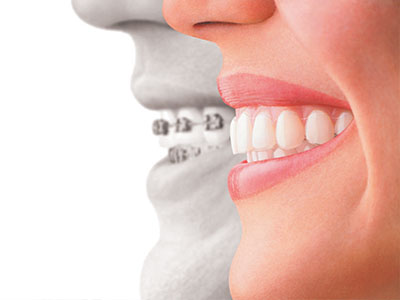
Invisalign® vs Braces
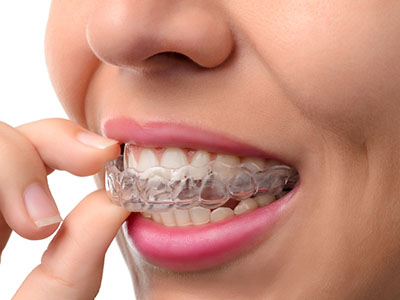
Invisalign® vs Direct-To-Consumer Aligners
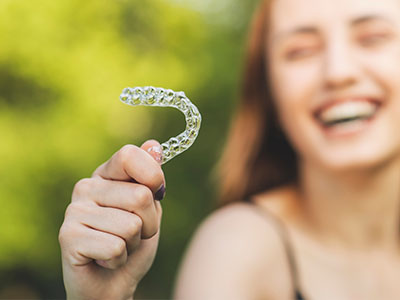
Is Invisalign Right For Me?

Invisalign Costs
With aligners that are nearly invisible, you can pursue orthodontic care discreetly—many patients appreciate the unobtrusive profile of clear trays and the ease with which they fit into an active lifestyle.
Align Technology's development process draws on extensive clinical data to refine how aligners are engineered and delivered. That research-driven approach supports a wide range of tooth movements and helps clinicians make informed choices about attachments, staging, and auxiliary tools.
Custom-fitted to your dental anatomy, each aligner in the series is engineered to apply gentle, targeted forces that guide teeth toward their intended positions. Swapping to the next aligner every one to two weeks keeps the process moving forward, while scheduled clinical reviews ensure the plan stays aligned with real-world progress.
Because the trays are removable, maintaining normal oral hygiene is straightforward—brush and floss as usual, and use the cleaning routine recommended by your clinician to protect both teeth and aligners.

Begin with a targeted exam where the clinician assesses alignment concerns and explains how clear aligner treatment could address them.
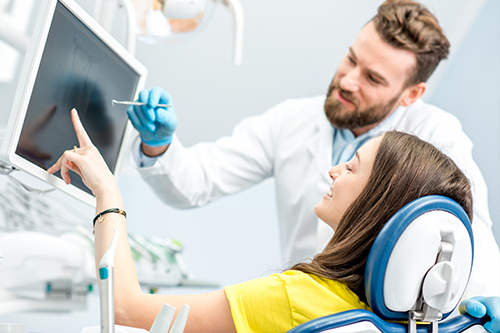
A quick, accurate digital scan captures your current bite so your clinician can map movements and show an anticipated progression of results.
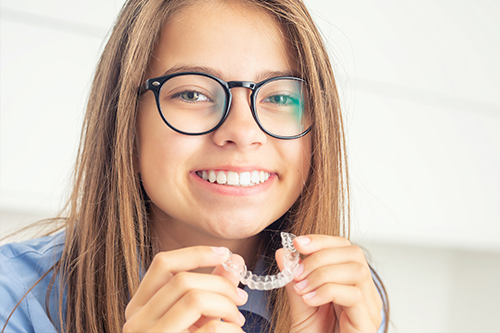
Your aligners are fabricated to match the planned sequence of movements, with comfort and fit prioritized at each stage.

From your first set through completion, the clinical team provides guidance, monitoring, and minor adjustments to help you stay on track.
Browse a selection of videos that demonstrate treatment concepts, appliance features, and patient education materials.
*Invisalign® is a registered trademark of Align Technology, Inc.
At the office of 360 Dental of Mill Creek, we approach aligner therapy with careful diagnosis, advanced planning, and clinical oversight to help patients reach healthy, sustainable results. If you'd like to learn more about whether clear aligners are a good fit for your smile, contact us for additional information or to arrange an initial consultation.
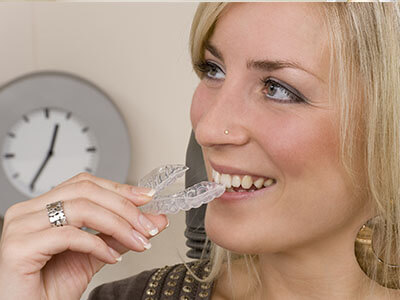
Invisalign is a clear aligner system that uses a series of custom-made plastic trays to move teeth incrementally toward a planned position. Treatment is planned digitally from a three-dimensional scan of the teeth so each tray corresponds to a specific stage in the sequence. Because the trays are nearly invisible and removable, many patients prefer this approach when compared with traditional fixed appliances.
The aligners are engineered to apply gentle, controlled forces that guide tooth movement while minimizing hardware-related irritation. Smooth tray surfaces and precision fit help improve comfort during daily wear. The overall process emphasizes predictable staging and clinical oversight to achieve stable results.
Treatment begins with an accurate digital scan that serves as the foundation for a step-by-step movement plan. Specialized software maps each tooth’s intended movement over time and the laboratory fabricates a sequence of aligners to enact those changes. Patients wear each aligner for the prescribed period so the teeth shift progressively toward the planned outcome.
Clinicians may incorporate small composite attachments or use other adjunctive techniques when certain movements require additional control. The staging of movements and timing are adjusted in the plan to reduce unwanted forces and to improve predictability. Regular clinical reviews allow the team to confirm progress and refine the sequence if subtle corrections are needed.
Invisalign is an effective option for many people with common alignment issues such as mild to moderate crowding, spacing, rotations, and certain bite discrepancies. Adult patients often choose aligners for their discreet appearance and the ability to remove trays for eating and hygiene, while responsible teens can also benefit when they adhere to wear instructions. A motivated patient who follows the prescribed schedule typically experiences the best outcomes.
Certain complex cases, including severe skeletal discrepancies or very large tooth movements, may require traditional braces, fixed appliances, or a combined approach with an orthodontic specialist. A thorough clinical evaluation and diagnostic records let the clinician determine whether aligners alone are appropriate or if adjunctive treatment will yield a more predictable result. The treatment recommendation balances clinical needs with the patient’s lifestyle and long-term oral health goals.
After the initial consultation and digital scan, a custom treatment plan is developed and the aligner series is fabricated to match the planned sequence of movements. Patients generally receive multiple sets of aligners and switch to the next tray at regular intervals as directed by the clinician. Early appointments focus on confirming fit and establishing comfortable wear habits.
Follow-up visits are usually brief and scheduled every four to eight weeks so the clinician can monitor progress and make minor adjustments when necessary. Total treatment duration varies widely based on the complexity of the case; simple corrections may be completed in several months while more involved plans require longer. Consistent daily wear and good oral hygiene are important contributors to timely, predictable progress.
During the first week you can expect an initial period of adjustment as your mouth adapts to the aligner edges and the feel of the trays against your teeth. It is common to notice mild pressure or soreness when a new aligner is inserted; this sensation typically subsides within a few days as the teeth begin to move. Speech may be slightly affected at first, but most patients adapt quickly and regain normal articulation within a short time.
Your clinician will review insertion and removal techniques, recommended daily wear time, and cleaning procedures at the delivery appointment. Establishing a consistent routine early helps maintain progress and reduces the likelihood of treatment delays. If persistent discomfort or fitting issues occur, a prompt check-in allows the team to address concerns and adjust the plan if needed.
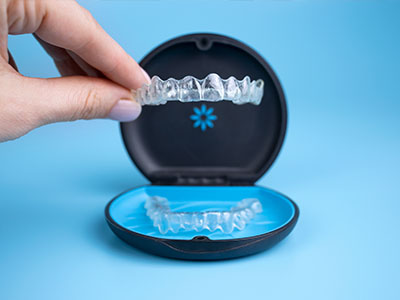
Remove aligners before eating and brush your teeth before reinserting them to prevent trapping food and bacteria against tooth surfaces. Rinse aligners after removal and clean them daily using a soft toothbrush and the cleanser recommended by your clinician to avoid buildup and odor. Avoid abrasive toothpaste and exposure to hot water, which can warp the plastic.
Maintain routine dental hygiene with regular brushing, flossing, and professional cleanings throughout treatment to protect gum health and enamel. If your clinician prescribes additional hygiene steps or specific cleaning solutions, follow those instructions closely. Regular dental checkups also allow the team to monitor oral health while alignment progresses.
Attachments are small, tooth-colored composite bumps bonded to selected teeth to provide extra grip or control for certain movements such as rotations or root torque. These attachments are planned digitally and are removed or reshaped as treatment progresses when they are no longer needed. Their conservative nature and discreet appearance make them a common complement to aligner therapy.
In some cases clinicians may recommend additional auxiliaries such as elastics, interproximal reduction (IPR), or temporary anchorage devices to address specific bite or space requirements. The decision to use these tools is individualized and based on diagnostic findings and the planned tooth movements. Clear communication during the consultation ensures patients understand why an auxiliary is recommended and how it supports predictable results.
Progress is monitored through scheduled clinical check-ins, photos, and occasional digital scans to compare actual tooth movement with the planned sequence. These reviews allow the clinician to verify fit, assess oral hygiene, and confirm that movement is tracking as expected. Brief in-office visits are typically sufficient for most routine monitoring tasks.
If movement deviates from the plan, the clinician can refine the staging, order refinement trays, or add attachments to address specific needs. Clear documentation and digital records support timely adjustments and help maintain momentum toward the treatment goal. Ongoing communication between patient and clinician is important to address concerns and preserve treatment efficiency.
Retention is an essential phase after active alignment to prevent natural tooth drift and to allow surrounding tissues to stabilize around the new positions. Common retention options include removable clear retainers or a bonded, fixed retainer placed behind the front teeth; the clinician will recommend the most suitable choice based on the finished result and individual risk factors. Wearing and caring for the retainer as instructed helps protect the outcome over time.
Regular dental exams and professional cleanings remain important after active treatment so the team can monitor retention and address any minor changes early. Retainers require periodic assessment to ensure fit and function, and some patients transition to a night-time wear schedule for long-term maintenance. Clear guidance on retainer care and follow-up intervals helps preserve the investment in alignment and oral health.
At the office of 360 Dental of Mill Creek we begin with a focused consultation and a precise digital scan to create an individualized treatment plan that reflects each patient’s anatomy and goals. Our team emphasizes thorough diagnosis, clear patient education, and clinical oversight throughout active alignment to support predictable results. We use modern workflows that allow visualization of expected outcomes and timely refinements when needed.
Patient comfort, hygiene, and long-term stability are central to our approach, and we coordinate care with specialists when cases benefit from collaborative management. The clinical team provides detailed instructions for wear, cleaning, and retention so patients understand each phase of treatment. Ongoing follow-up visits and routine dental care help protect the new alignment and support durable oral health.