Call Us Today!
(425) 999-8159
New Patients
(425) 264-7102


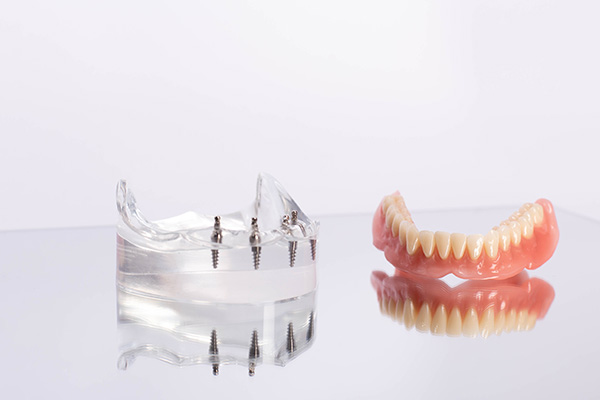
Implant supported dentures combine dental implants—small titanium posts placed in the jaw—with a removable or fixed denture prosthesis to create a solution that feels and functions closer to natural teeth. Unlike conventional full dentures, which rely on suction, adhesives, and the shape of the gums and jaws to stay in place, implant supported options attach to secure anchoring points. That mechanical connection reduces shifting, improves bite force, and often restores greater confidence when speaking and eating.
From a biological perspective, the implants serve as artificial tooth roots that integrate with the jawbone through a process called osseointegration. This integration not only stabilizes the prosthesis but also helps preserve bone volume over time—an important consideration for long-term facial structure and oral health. The prosthetic portion is designed to mimic the look of natural teeth and gum tissue, blending esthetics with function.
There are several configurations for implant supported dentures, including overdentures that snap onto an implant bar or multiple individual attachments, and fixed hybrid prostheses that are secured more permanently. Your dental team can explain the practical differences so you understand whether a removable or fixed design best matches your daily needs and oral anatomy.
The path to an implant supported denture begins with a comprehensive evaluation. That includes a review of your medical and dental history, imaging to assess bone quality and quantity, and a careful examination of the oral tissues. These steps allow your dentist to plan implant placement in positions that will support the prosthesis optimally and avoid complications with nearby nerves and sinuses.
Implant placement is a surgical procedure performed under local anesthesia, and when appropriate, sedation. After implants are placed, a healing period follows to allow osseointegration to occur; during this time, temporary prostheses can often be provided so you remain functional and comfortable. Once the implants have integrated, your dentist will take precise impressions or digital scans to craft the final denture—one that balances esthetics, phonetics, and occlusion.
The final appointment typically involves securing the prosthesis to the implants and verifying fit, bite, and appearance. For fixed options, the denture is attached with screws or cement; for removable overdentures, attachments are checked for retention and ease of maintenance. The entire process is staged to prioritize predictable healing and long-term reliability.
One of the most immediate benefits patients notice is improved stability. With implants anchoring the denture, slipping and movement during conversation or meals are dramatically reduced. This stability allows for a wider variety of foods to be eaten comfortably and diminishes the anxiety that can accompany traditional removable dentures.
Speech clarity often improves as well. Because the prosthesis maintains consistent positioning, patients experience fewer disruptions to pronunciation that can occur when a denture shifts unexpectedly. Many people also report a stronger sense of confidence in social situations, partly because the restoration behaves more like natural teeth and partly because it reduces the need to monitor denture movement.
Beyond function, well-designed implant supported dentures provide esthetic benefits. Modern materials and careful design produce lifelike tooth shape, color, and gum contours that complement a patient’s facial features. This balance of form and function contributes to a more natural appearance and a renewed sense of comfort with smiling and laughing.
Not every patient is an automatic candidate for implant supported dentures, but many more people qualify today than in the past. Good general health, adequate oral hygiene, and a jawbone with sufficient volume are important factors. When bone has resorbed after tooth loss, bone grafting or alternative implant strategies can often recreate a reliable foundation.
Smoking, certain systemic conditions, and medications can affect healing and integration—so a candidacy assessment includes a discussion of lifestyle and medical history. Your dentist will evaluate risk factors and recommend appropriate preparatory steps, such as periodontal treatment to address gum disease or guidance on smoking cessation, to improve the likelihood of successful outcomes.
Age by itself is not a limiting factor; many healthy older adults benefit greatly from implant supported solutions. The key determinants are overall health, oral condition, and realistic expectations. A collaborative planning process ensures the chosen approach aligns with both clinical needs and day-to-day goals.
Long-term success combines professional maintenance with consistent home care. Implant supported dentures require daily cleaning of the prosthesis and the supporting implants or attachments to prevent plaque build-up and peri-implant disease. For removable overdentures, this means cleaning the denture and the attachment components; for fixed prostheses, specialized brushes and flossing techniques help keep the implants and surrounding tissues healthy.
Regular recall appointments are essential. During these visits, the dental team examines implant stability, evaluates soft tissue health, checks attachment wear, and performs professional cleanings tailored to implant restorations. Early detection of any issues—such as attachment wear or inflammation—allows for timely interventions that protect both the prosthesis and the supporting bone.
With appropriate care, implant supported dentures can provide many years of reliable function. The longevity of the restoration depends on clinical factors, the quality of the restorative materials, and patient commitment to hygiene and scheduled maintenance. Your dental team will create a personalized care plan to preserve comfort, function, and esthetics over the long term.
At 360 Dental of Mill Creek, our approach to implant supported dentures focuses on predictable planning, clear communication, and meticulous follow-up to help patients regain a durable, natural-feeling smile. If you’d like more information about how implant supported dentures might fit your needs, please contact us to learn more.
Implant supported dentures are prosthetic teeth that attach to titanium implants placed in the jaw, creating a stable connection that more closely mimics natural tooth roots. Unlike traditional removable dentures that rely on suction, adhesives, or the shape of the gums to stay in place, implant supported options anchor to secure attachment points and resist slipping. This mechanical retention improves chewing efficiency and reduces the need to constantly reposition the prosthesis.
From a biological standpoint, implants integrate with the jawbone through osseointegration, which helps preserve bone volume and facial structure over time. The visible part of the restoration is designed to blend esthetics and function, with lifelike tooth shape and gum contours. Patients typically experience improved confidence in speaking and eating because the restoration behaves more like natural teeth.
There are two primary configurations: removable overdentures and fixed hybrid prostheses. Overdentures snap onto locator attachments or implant bars and can be removed by the patient for cleaning, while fixed hybrids are secured with screws or cement and are only removed by a clinician. The choice between removable and fixed designs depends on clinical factors, patient preference, and the number and position of implants.
Certain strategies such as All-on-4 and All-on-6 use four or six implants to support a full-arch fixed prosthesis, which can reduce the need for grafting in some cases. Other solutions use more implants with individual attachments to improve distribution of force and retention. Your dentist will explain the mechanical and maintenance differences so you can choose the option that best fits your lifestyle and oral anatomy.
Candidacy is based on overall health, oral condition, and jawbone quality rather than age alone, so many adults can qualify. A comprehensive evaluation includes a medical and dental history review, clinical examination, and imaging to assess bone volume, density, and the relationship of nearby nerves and sinuses. If bone volume is insufficient, bone grafting or alternative implant placements are often viable options to create a stable foundation.
Factors such as smoking, uncontrolled systemic conditions, and certain medications can affect healing and integration, and these issues are discussed during the assessment. Your dental team will recommend preparatory treatments like periodontal therapy when needed and will outline realistic expectations for healing and function. A collaborative planning process ensures the chosen approach aligns with your health and daily goals.
The process begins with a detailed consultation that includes imaging and treatment planning to determine optimal implant positions and prosthesis design. Implant placement is a surgical procedure performed under local anesthesia and, when appropriate, sedation, and it is followed by a healing period to allow osseointegration. During healing, temporary restorations can often be provided so you can speak and eat comfortably while the implants integrate.
After integration, the final prosthesis is fabricated using precise impressions or digital scans to ensure proper fit, bite, and esthetics. For fixed designs the prosthesis is attached with screws or cement; for removable overdentures the attachments are adjusted for retention and ease of maintenance. The staged approach prioritizes predictable healing and long-term reliability, with follow-up appointments to verify function and comfort.
Recovery timelines vary, but most patients experience mild to moderate discomfort and swelling for a few days, which is managed with prescribed or recommended pain control and cold compresses. It is common to follow a soft-food diet for several days to a few weeks depending on the extent of surgery and the type of temporary prosthesis in place. Rest, good oral hygiene, and following post-operative instructions help minimize complications and support healing.
Follow-up visits are important to monitor osseointegration and the health of surrounding tissues, and any sutures are typically removed or evaluated during these appointments. If complications such as prolonged pain, unusual swelling, or signs of infection occur, the dental team will address them promptly. Clear communication with your provider during recovery helps ensure a smooth transition to the restorative phase.
Implant supported dentures provide greater stability than conventional dentures, which typically allows patients to eat a wider variety of foods with improved comfort and confidence. Because the prosthesis maintains consistent positioning, speech clarity often improves and the need to adjust or re-seat the denture during conversation is reduced. The improved function encourages more natural chewing and can make everyday activities like smiling and speaking less stressful.
Many people notice a psychological benefit as well, since a secure restoration reduces the awareness of prosthesis movement and the self-conscious behaviors that can accompany loose dentures. The restoration is crafted to balance esthetics and phonetics so that tooth shape and positioning support natural speech patterns. Over time, this stability contributes to a more normal daily routine and social comfort.
Care combines consistent home hygiene with regular professional maintenance to protect both the prosthesis and the implants. For removable overdentures, daily cleaning includes removing the denture for cleaning and brushing attachment components; for fixed prostheses, specialized brushes, interdental cleaners, and flossing techniques help keep implants and surrounding tissues healthy. Daily plaque control around implant fixtures is essential to reduce the risk of peri-implant inflammation.
Routine recall appointments allow the dental team to assess implant stability, check attachment wear, and perform professional cleanings tailored to implant restorations. Early detection of attachment wear or tissue changes enables timely intervention and preserves function. Your provider will give a personalized home-care regimen and schedule to maximize longevity and oral health.
While implant supported dentures have high success rates, potential complications include infection, peri-implantitis, implant failure, and attachment wear, all of which are more likely when oral hygiene or systemic health is compromised. Surgical risks such as nerve injury or sinus involvement are minimized through careful imaging and planning, but they are discussed during the consent process. Smoking and certain medical conditions can increase the likelihood of complications and are addressed during candidacy evaluation.
Many complications are manageable when identified early, typically through noninvasive interventions such as professional cleaning, repair of attachments, or modification of the prosthesis. In cases of implant failure, replacement strategies or alternative restorative plans are considered based on the clinical situation. Clear follow-up and maintenance reduce risk and support predictable long-term outcomes.
Implant components and the supporting bone can last for many years with proper care, while prosthetic teeth and attachment parts may require periodic maintenance or replacement due to normal wear. Common maintenance events include replacing attachment inserts, tightening screws, or refurbishing the denture acrylic and teeth to maintain esthetics and function. The lifespan of the restoration depends on factors such as oral hygiene, bite forces, the quality of materials, and adherence to recall visits.
Regular checkups allow the dental team to monitor wear patterns and make timely repairs or adjustments before larger problems develop. When repairs are needed they are often straightforward, such as replacing worn attachments or relining a denture, and they help extend the overall service life of the restoration. A planned maintenance schedule is the best way to preserve comfort, function, and appearance over time.
Our approach begins with a thorough clinical evaluation and imaging to develop a treatment plan tailored to your anatomy, functional needs, and esthetic goals. We consider factors such as bone quality, bite relationships, and soft-tissue contours when selecting implant number and placement, as well as whether a removable or fixed prosthesis is the best choice. Digital tools and precise impressions help us design restorations that balance comfort, phonetics, and a natural appearance.
Throughout treatment we prioritize clear communication, predictable staging, and meticulous follow-up to support healing and long-term success. The team provides a personalized care plan that includes home-care instruction and a recall schedule to monitor implant health and attachment condition. Our goal is to help you regain reliable function and a confident smile with an implant solution that fits your daily life.