Call Us Today!
(425) 999-8159
New Patients
(425) 264-7102


Tooth loss affects people of all ages and backgrounds, and it changes more than just the way a smile looks. Missing teeth can affect chewing, speech, and the long-term health of the jawbone and neighboring teeth. Modern implant dentistry restores form and function by replacing missing roots as well as crowns, giving patients a durable, natural-feeling solution for one tooth or multiple teeth.
At the office of 360 Dental of Mill Creek, our approach begins with careful assessment and planning. We consider your overall health, jawbone condition, and personal goals to design a tailored treatment pathway. When implants are placed and allowed to integrate with your bone, they act much like natural tooth roots—offering stability for crowns, bridges, or full-arch restorations that feel comfortable and secure.
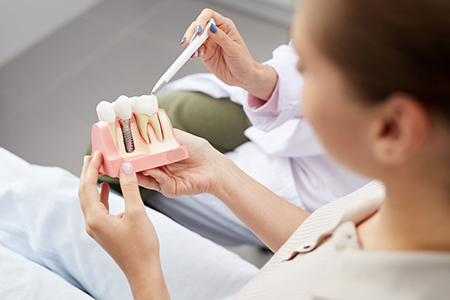
Beyond aesthetics, dental implants preserve oral structure. By restoring the stimulation that natural tooth roots provide, implants help limit the bone loss that typically follows extraction. That preservation supports facial contours and reduces the gradual changes to bite and alignment that can happen over time when gaps are left untreated.
Dental implants are precision-engineered posts made from biocompatible materials that integrate with jawbone through a process called osseointegration. Once integrated, they serve as a strong foundation for prosthetic teeth that are designed to match the look and movement of natural dentition. This integration is the key difference that allows implants to deliver lasting strength and stability.
Restorations attached to implants—whether single crowns or multi-tooth bridges—are crafted to restore proper bite alignment and chewing efficiency. Because the implant replaces the root, force is distributed through the jawbone rather than overloading surrounding teeth, which helps protect the long-term health of adjacent structures. Patients often report improved confidence when eating and speaking, thanks to this reliable support.
Implant dentistry blends surgical technique with restorative artistry. Careful planning, guided placement, and a skilled restorative phase are all essential to create results that are comfortable, functional, and visually harmonious with your existing smile.
The hallmark of implant success is the bond formed between the implant surface and living bone. This biological attachment creates the stability necessary for long-term function. The timeline for integration varies by individual and case complexity, but modern protocols and materials help optimize healing and predictability.
Implant placement is planned with clinical exams and imaging to assess bone volume, nerve positions, and sinus anatomy. When bone is sufficient, implants can be positioned precisely to support a final restoration that aligns with your bite and cosmetic goals. In cases where bone is reduced, supplementary procedures like socket preservation or grafting can prepare the site for reliable implant placement.
While some treatment plans include immediate provisional restorations, many implants benefit from a measured healing period before the final crown or bridge is attached. This staged approach often yields better long-term outcomes by allowing osseointegration to occur undisturbed.
Dental implants offer several functional benefits when compared with traditional bridges and removable dentures. Because implants replace tooth roots, they restore chewing efficiency more effectively and reduce the risk of surrounding tooth damage that can come from relying on neighboring teeth for support. That preservation is especially important for maintaining long-term oral health.
Implants also provide a secure fit that eliminates common denture problems such as slipping or clicking. For people who previously avoided certain foods or felt self-conscious about their prostheses, implants can restore freedom and confidence at meals, in conversation, and during social interactions.
Longevity is another advantage. Properly planned and maintained implants can remain stable for many years. Since implant restorations are supported by bone rather than adhered to other teeth, they usually require fewer alterations to the surrounding dentition and help maintain a more natural oral structure over time.
When weighing treatment options, patients and clinicians typically note several implant advantages:
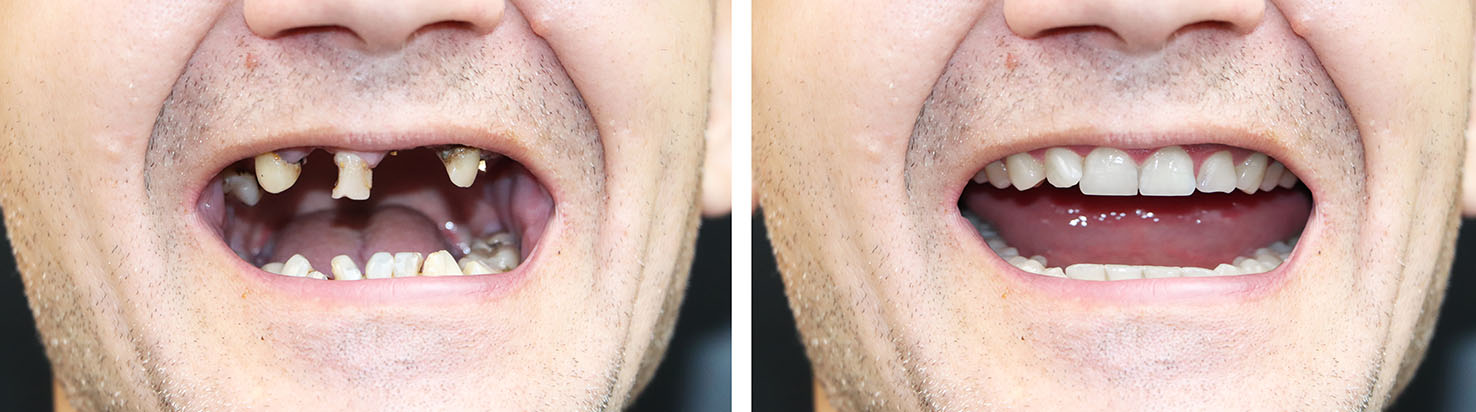
Each restorative pathway is selected based on the patient’s anatomy, goals, and lifestyle. Implant-based care offers flexible options that can be adapted to suit aesthetics, function, and long-term maintenance.
Discussing expectations and priorities with your clinician helps ensure the selected solution aligns with your daily needs and restorative objectives.
Most adults who are in generally good health and have adequate jawbone can be considered for dental implants. Good oral hygiene, controlled systemic health conditions, and realistic expectations contribute to favorable outcomes. A comprehensive evaluation—including clinical exam and imaging—helps determine candidacy and identifies whether preparatory procedures such as bone grafting are advisable.
Implant treatment is a sequence of carefully coordinated steps: diagnosis and planning, surgical placement of the implant(s), a healing interval for osseointegration, and restorative placement of crowns, bridges, or dentures. Many procedures are performed in an outpatient setting, and options for local anesthesia or sedation are discussed to keep patients comfortable during surgery.
Communication and follow-up are central to our process. Before your procedure we will review pre-operative guidance and aftercare instructions to support healing and long-term stability. While some cases allow for temporary teeth on the same day, others benefit from a deliberate healing period to ensure predictable integration.
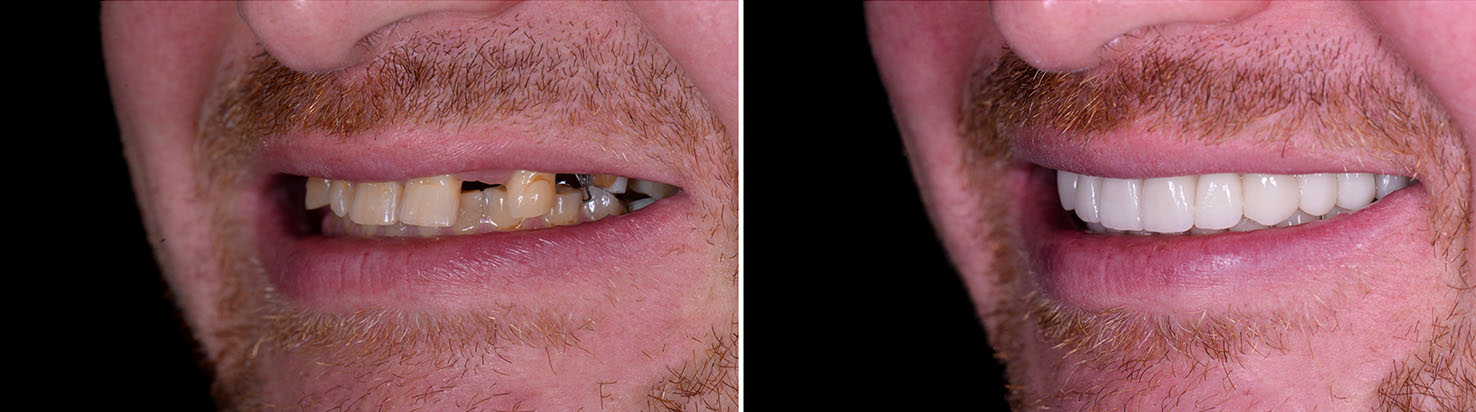
Successful implant placement depends on having enough quality bone to support the fixture. If bone loss has occurred due to periodontal disease, prior extractions, or long-standing tooth loss, grafting procedures can rebuild the necessary volume. Bone grafting restores a stable foundation and increases the likelihood of predictable, long-term implant success.
At 360 Dental of Mill Creek, we combine careful planning, modern technology, and patient-focused care to guide you through implant treatment. Our goal is to deliver restorations that look natural, function reliably, and integrate with your overall oral health plan. We tailor each case to the individual, balancing clinical best practices with your personal preferences.
Whether you need a single replacement or a comprehensive full-arch solution, thoughtful planning and ongoing maintenance are the keys to preserving your investment in oral health.
Dental implants provide a powerful way to restore missing teeth with results that can be both beautiful and functional. If you’re exploring options to replace one or more missing teeth, we encourage you to reach out and schedule an evaluation. Our team can explain your personalized options and the steps involved so you can make an informed decision about your care.
Please contact us for more information or to arrange an appointment so we can review your unique needs and begin planning your treatment.

Dental implants are titanium or biocompatible posts that are surgically placed into the jaw to replace missing tooth roots. Through a biological process called osseointegration, the implant surface bonds with the surrounding bone to create a stable foundation for a prosthetic tooth. That stability allows restorations to function much like natural teeth for chewing, speaking, and maintaining facial structure.
Once integration has occurred, an abutment and a custom crown, bridge, or denture are attached to the implant to restore appearance and function. Because the implant transmits biting forces to the bone, it helps preserve bone volume and supports the long-term health of adjacent teeth. Modern implant systems are designed to match the size and shape of natural dentition and to provide reliable long-term performance when planned and maintained properly.
Most adults in generally good health who have adequate jawbone volume are potential candidates for dental implants. Evaluation includes a medical review, oral exam, and imaging to assess bone quality, gum health, and anatomical factors such as nerve and sinus positions. Patients with controlled systemic conditions and a commitment to oral hygiene commonly experience predictable outcomes.
When bone volume is reduced, preparatory treatments like bone grafting or ridge augmentation can create a suitable foundation for implants. Smoking, uncontrolled diabetes, or untreated periodontal disease can affect healing and may require management before implant placement. A careful diagnostic process helps the clinician recommend the safest, most appropriate pathway for each individual.
The implant timeline varies by case but typically includes planning, surgical placement, a healing interval for osseointegration, and restorative appointments to fit the final prosthesis. Healing times commonly range from a few weeks to several months depending on the location of the implant, bone quality, and whether grafting was required. Advanced imaging and digital planning can streamline the process and improve placement accuracy.
Some patients qualify for immediate provisional restorations that restore appearance while healing continues, but many treatments benefit from a staged approach to allow secure integration. Regular follow-up visits during healing ensure the implant is integrating properly and that soft tissues are healthy. Your clinician will outline a clear timeline tailored to your anatomy and restorative goals during the initial consultation.
Implant treatment typically begins with a comprehensive exam and imaging to create a precise surgical plan that considers bone volume, nerve location, and the desired final outcome. The surgical phase involves placing the implant into the prepared site under local anesthesia or sedation as needed, followed by a period of undisturbed healing to allow osseointegration. After sufficient integration, an abutment is attached and impressions or digital scans are taken for the final restoration.
The restorative phase focuses on creating a crown, bridge, or denture that matches adjacent teeth in color, shape, and function. Careful occlusal design and material selection help ensure chewing efficiency and comfort. Throughout the process, clinicians coordinate surgical and restorative steps to produce results that are both esthetic and durable.
Bone health is critical because implants depend on a solid, well-vascularized bony foundation for long-term stability. When teeth are missing for an extended period or when periodontal disease has occurred, bone can resorb and reduce the available volume for implant placement. Assessing bone quantity and quality with clinical exams and imaging determines whether additional procedures are needed to support the implant.
Common grafting options include socket preservation after extraction, ridge augmentation to widen or raise deficient bone, and sinus lifts to increase vertical height in the upper jaw. Grafts can use autogenous bone, donor bone, or bone substitutes depending on the clinical situation. These procedures are predictable when performed with proper technique and often allow patients who otherwise would not be candidates to receive implants successfully.
Implant-supported restorations replace the tooth root as well as the visible tooth, which helps preserve jawbone and maintain natural force distribution during chewing. Traditional bridges rely on adjacent teeth for support and may require alteration of healthy neighboring teeth, while removable dentures can shift during function and may not provide the same level of chewing efficiency. Because implants are anchored in bone, they typically offer improved stability and comfort compared with removable options.
Implants also reduce the long-term risk of adjacent tooth damage and bone loss associated with unsupported gaps. Maintenance for implants focuses on excellent oral hygiene and regular professional care to monitor soft tissue and bone levels. The choice between implants, bridges, and dentures depends on the patient's anatomy, restorative goals, and clinical considerations discussed during treatment planning.
After implant surgery patients can expect some swelling, mild discomfort, and light bleeding for a short period, which are normal parts of early healing. Pain is generally manageable with prescribed or over-the-counter medications and typical post-operative instructions include rest, ice application, and a soft-food diet during the first few days. Follow-up visits are scheduled to monitor healing and to remove sutures if necessary.
Long-term aftercare emphasizes meticulous oral hygiene around the implant, including gentle brushing, flossing, and professional cleanings to prevent peri-implant inflammation. Routine dental exams and periodic radiographs help track bone levels and restoration fit. Maintaining general health and avoiding tobacco use also supports successful outcomes over time.
When placed and maintained properly, dental implants can last many years and often provide a long-term solution for tooth replacement. Longevity depends on surgical precision, restoration design, patient oral hygiene, and overall health factors such as periodontal status and systemic conditions. Regular professional care and prompt attention to any signs of inflammation or mechanical issues contribute to favorable long-term performance.
Material selection and the quality of prosthetic components also affect durability, as does the distribution of biting forces across the restoration. Avoiding habits that place excessive load on implants, such as heavy clenching or using teeth as tools, helps protect the implant and surrounding structures. If complications arise, many issues can be managed or repaired to extend the life of the restoration.
Like any surgical procedure, implant placement carries potential risks such as infection, nerve irritation, sinus involvement in the upper jaw, and failure of osseointegration. Proper case selection, thorough planning with imaging, sterile technique, and adherence to post-operative instructions reduce these risks significantly. Early signs of complications are monitored closely so that interventions can be undertaken promptly when needed.
Management strategies include antibiotics or debridement for infection, repositioning or removal of an implant if nerve symptoms occur, and bone grafting when additional support is required. Regular follow-up and maintenance help detect soft tissue or bone changes early, improving the likelihood of successful remediation. Open communication between the patient and clinical team is key to identifying concerns and implementing appropriate care.
At the office of 360 Dental of Mill Creek implant treatment begins with a comprehensive evaluation that includes a medical history review, clinical exam, and advanced imaging to assess bone, tooth positions, and anatomical landmarks. The clinical team develops a customized plan that aligns surgical placement with the patient’s aesthetic and functional goals while considering long-term oral health. Digital tools and guided placement techniques are used when appropriate to enhance precision and predictability.
Treatment plans are discussed in detail so patients understand the sequence of care, healing expectations, and maintenance requirements. The team coordinates surgical and restorative phases to produce harmonious results that fit the individual’s lifestyle and oral anatomy. Ongoing follow-up care is emphasized to preserve implant health and ensure the restoration continues to function as intended.