Call Us Today!
(425) 999-8159
New Patients
(425) 264-7102


When tooth structure is lost to decay or minor injury, a dental filling rebuilds the damaged area so the tooth can chew, speak, and look normal again. Fillings replace weakened enamel and dentin, sealing the space where bacteria once lived and preventing further breakdown of the tooth.
Decay remains one of the most common oral health issues across age groups, so filling procedures are among the most frequently performed treatments in general dentistry. Despite that familiarity, modern techniques focus not only on stopping disease but also on preserving as much healthy tooth as possible and delivering results that are durable and unobtrusive.
At the office of 360 Dental of Mill Creek, our approach emphasizes careful diagnosis and conservative restoration. We combine up-to-date materials with gentle technique so that repairs look natural, feel comfortable, and help protect the tooth for years to come.
Human beings have attempted to treat decayed teeth for thousands of years, but the materials and methods have changed dramatically. Early restorations were rudimentary; it wasn’t until the 19th and 20th centuries that durable metal alloys and standardized techniques became widely available, making predictable repairs possible.
Over the last several decades, material science in dentistry has shifted toward solutions that balance strength with appearance. While metal restorations offered robustness, contemporary tooth-colored materials provide long-lasting function without compromising the natural look of the smile.
We aim to restore both health and form. That means removing infection and decay efficiently, preserving healthy tooth tissue when possible, and selecting a material that meets the functional needs of the tooth while matching your expectations for appearance.
Decisions about restoration type and technique are made with each patient’s unique situation in mind — considering factors such as the size and location of the defect, bite forces, and long-term oral health goals.
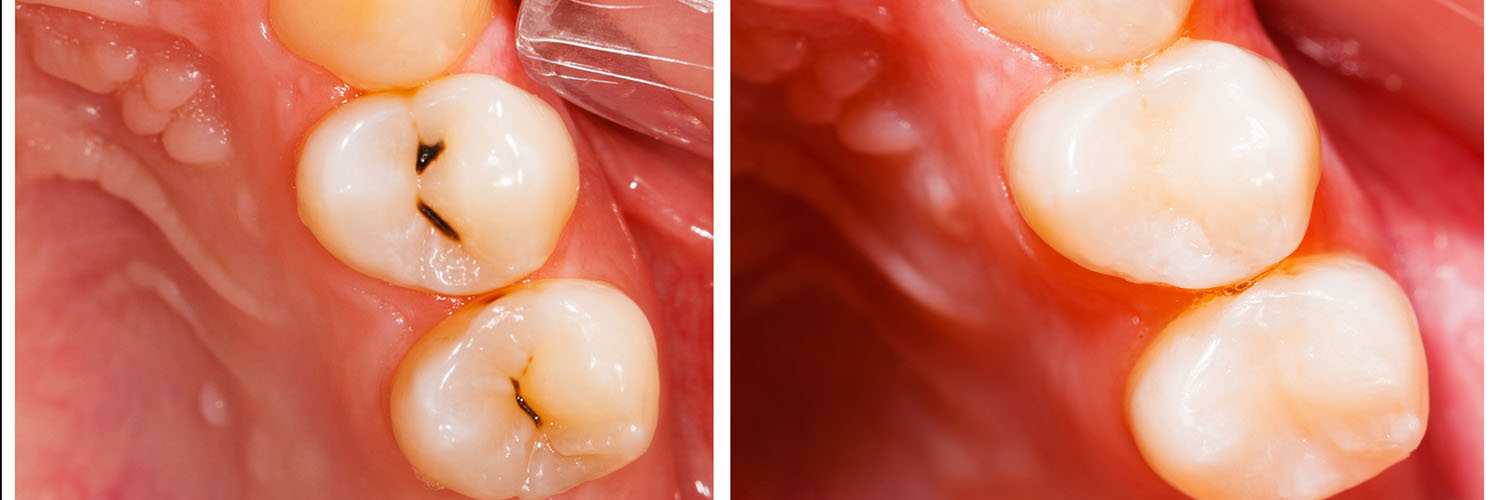
Contemporary dentistry offers a range of restorative materials, each with distinct advantages. The best choice depends on clinical needs, aesthetic goals, and how the tooth is used during chewing. Understanding these options helps patients participate in treatment decisions with confidence.
Some materials are placed directly into the tooth in a single visit, while others are fabricated outside the mouth and bonded in place. Advances in bonding technology and ceramic fabrication have expanded restorative possibilities, making it easier to achieve both strength and a seamless appearance.
Below are the main materials you will encounter when discussing fillings with your dentist, along with their typical uses and characteristics.
Composite resins are a blend of plastic and glass particles that can be precisely shaded to match surrounding enamel. They are applied directly to the prepared tooth and cured with a light source to create a strong bond to the tooth structure. Because they bond to enamel and dentin, composites often require removal of less healthy tissue than some older materials.
These restorations are versatile and used for both small cavities and cosmetic improvements, such as smoothing a chip or reshaping a tooth. With appropriate polishing and care, composites provide an attractive, natural-looking result.
Amalgam remains known for its strength and resilience under heavy chewing forces. Composed of a metal alloy, these restorations have a long clinical history of durability. Amalgam is most often selected for posterior teeth where high forces and limited visibility make its physical properties advantageous.
Glass ionomer materials chemically bond to tooth surfaces and slowly release fluoride, which can be helpful in reducing the risk of recurrent decay. They are commonly used in areas with low chewing pressure, to restore baby teeth, or as temporary restorations while a longer-term solution is prepared.
Although not as wear-resistant as composites or ceramics, their fluoride release and bonding characteristics make them useful in certain clinical situations.
Ceramic restorations are crafted from dental porcelain or advanced glass-ceramics and are fabricated outside the mouth by a laboratory or CAD/CAM system. Because they are highly resistant to staining and wear, ceramics are an excellent choice when both strength and exceptional aesthetics are needed.
Inlays and onlays restore larger defects where a direct filling might not provide the best long-term result. These indirect restorations are bonded into the prepared tooth for a precise fit and natural appearance.
Gold alloys are less commonly used today but remain an example of a material with predictable longevity and excellent biocompatibility. When selected, gold restorations are custom-fabricated and can be a durable option for situations where other materials are less suitable.
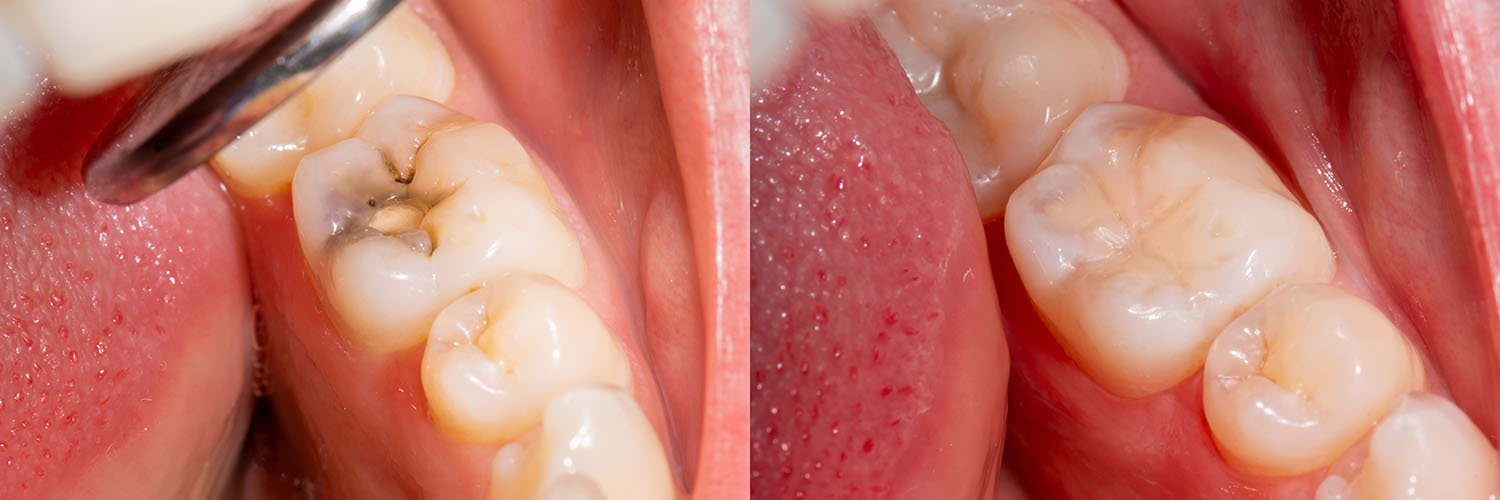
Selecting a restorative material is a clinical decision based on the tooth’s location, the size of the defect, your bite, and aesthetic preferences. Small cavities on front teeth are often best served by tooth-colored composites, while large restorations on molars may benefit from indirect ceramics or sturdier materials.
We evaluate each situation with modern diagnostic tools and discuss the pros and cons of each option. Considerations include how much natural tooth remains, the expected life span of the restoration, maintenance needs, and how the repair will blend with surrounding teeth.
Patient priorities also shape the choice: some people prioritize the most natural appearance, while others emphasize maximum durability. Our goal is to recommend a treatment plan that balances these factors and aligns with your long-term oral health objectives.
After a thorough exam and any necessary radiographs, your dentist will explain the diagnosis and the recommended steps for repair. Treating a cavity typically involves removing the decayed tissue, preparing the remaining tooth structure, and placing the chosen restorative material with care to restore shape and function.
Procedures are usually performed under local anesthesia so patients feel little to no discomfort during treatment. For those who experience dental anxiety, our team can discuss comfort measures and supportive options to help make the visit more manageable.
Depending on the material, many fillings can be completed in a single appointment. Indirect restorations such as inlays or onlays may require a second visit for final placement after the restoration is fabricated. Throughout the process, attention to isolation, bonding protocol, and occlusal adjustments helps ensure a stable, comfortable result.
Following placement, the tooth may feel slightly different for a short period as your bite settles and any local anesthetic wears off. Mild sensitivity to temperature or pressure is common and usually resolves within a few days as the tooth adapts.
While normal function can generally resume soon after the appointment, take care while chewing until numbness has completely faded to avoid accidentally biting soft tissues. Maintain good oral hygiene — brushing, flossing, and routine professional exams — to help extend the life of any restoration.
Fillings can last many years with proper care, but factors such as the extent of the original decay, bite forces, and oral habits (like grinding or chewing hard objects) influence longevity. If a filling becomes worn, loose, or if new sensitivity develops, a timely dental evaluation helps address issues before they become more extensive.
Practical tips immediately after treatment:
Protect numb tissues
Wait until anesthesia completely subsides before eating to avoid biting your cheek, lip, or tongue.
Expect a brief adjustment period
Slight bite sensitivity or awareness of the restored tooth is normal and typically diminishes within days; persistent discomfort should be reported.
Care for the restoration
Brush gently, floss regularly, and avoid habits that place excessive stress on the filled tooth. Regular dental visits will monitor the restoration over time.
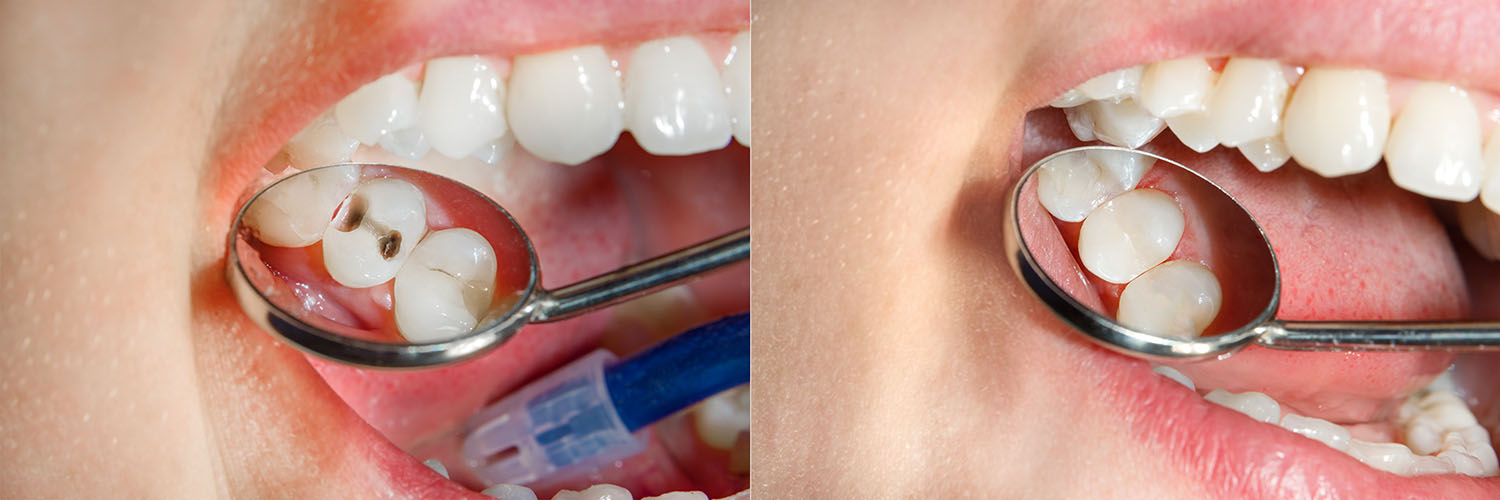
In summary, dental fillings are a reliable, routinely performed treatment that can stop decay, preserve tooth structure, and restore function and appearance. If you have questions about which restorative option is best for your smile or would like to discuss treatment in detail, please contact us for more information.

Dental fillings are restorations placed to repair teeth damaged by decay or minor injury and to restore normal function and shape. They replace lost enamel and dentin, sealing the area where bacteria once lived and helping prevent further breakdown of the tooth. Fillings also restore a tooth’s ability to chew and speak comfortably while maintaining a natural appearance.
Modern filling procedures prioritize conserving healthy tooth structure and creating a durable, unobtrusive repair. Depending on the material chosen, fillings can be completed in a single visit or placed as part of a staged restoration. Your dentist will explain how the restoration protects the tooth and supports long‑term oral health.
Choosing a filling material is a clinical decision based on the size and location of the defect, the tooth’s role in chewing, and aesthetic priorities. Dentists consider how much natural tooth remains, the direction and magnitude of bite forces, and whether the restored surface will be visible when you smile. These factors help determine whether a direct material such as composite or glass ionomer, or an indirect option like an inlay or onlay, is most appropriate.
Your overall oral health and any habits that place extra stress on teeth are also part of the evaluation. The dentist will review the pros and cons of each option and recommend a solution that balances strength, appearance, and preservation of tooth structure. Shared decision making ensures the selected material aligns with your functional needs and cosmetic goals.
Composite resins are tooth‑colored materials composed of plastic and glass particles that bond to enamel and dentin, often allowing for more conservative preparations and natural aesthetics. They are versatile for small to moderate cavities and for cosmetic adjustments such as smoothing chips or reshaping contours. Composites are cured with a light source and can be precisely shaded to blend with surrounding teeth.
Glass ionomer cements bond chemically to tooth surfaces and release fluoride, which can help reduce recurrent decay; they are commonly used in low‑stress areas, for pediatric restorations, or as temporary repairs. Amalgam restorations are metal alloys known for strength and resilience under heavy chewing forces and are still used in posterior teeth when durability is the primary concern. Ceramics, inlays, and onlays are indirect restorations fabricated outside the mouth and bonded in place to restore larger defects while offering exceptional wear resistance and superior aesthetics.
Advances in bonding technology and composite formulations have made tooth‑colored restorations far more durable than earlier generations, and they are frequently used on premolars and molars. When placed with proper isolation and attention to bonding protocols, composites can withstand routine chewing forces and provide a long‑lasting result. For very large defects or situations with heavy bite forces, an indirect option such as an onlay or ceramic restoration may offer greater longevity.
The success of a composite filling depends on technique, the amount of remaining tooth structure, and ongoing oral care. Regular exams allow your dentist to monitor wear and make adjustments if needed, and avoiding habits that place unnecessary stress on filled teeth will help extend their life. Your dentist can recommend the material and restoration type that best balances strength and appearance for each specific tooth.
A filling appointment typically begins with a clinical exam and any necessary radiographs to assess the extent of decay or damage. Local anesthesia is used to ensure comfort while the dentist removes decayed tissue and prepares the tooth for restoration, taking care to preserve as much healthy structure as possible. For direct restorations the chosen material is placed and shaped in the same visit, followed by curing, polishing, and careful occlusal adjustments to ensure a comfortable bite.
Indirect restorations like inlays or onlays may require two visits: one to prepare the tooth and capture an impression or digital scan and another to bond the fabricated restoration. Throughout the procedure your dental team will prioritize isolation and bonding techniques to maximize the restoration’s performance. If you experience anxiety, discuss comfort measures with the team so they can support a relaxed, controlled visit.
Immediately after treatment, protect numb tissues by waiting until anesthesia fully wears off before eating to avoid biting your cheek or tongue. Mild sensitivity to temperature or pressure is common for a few days as the tooth adapts; persistent or worsening pain should be reported to your dentist. Resume normal oral hygiene as directed, brushing gently around the restoration and flossing carefully to avoid disturbing the newly placed material.
Long term care focuses on consistent brushing, daily flossing, and regular professional exams to catch wear or recurrent decay early. Avoid using teeth to open packages or chew very hard objects, and discuss any grinding or clenching habits with your dentist since these behaviors can prematurely stress restorations. Periodic evaluations ensure the filling remains intact and functioning as intended.
Common signs that a filling may need attention include new or worsening sensitivity, a sharp or rough edge felt with the tongue, visible wear or cracking, and pain when biting. Discoloration around the margins or recurrent cavities beneath or adjacent to a restoration can also indicate that the filling no longer provides an effective seal. Radiographs taken during regular exams help reveal problems that are not yet visible or symptomatic.
Timely evaluation helps address small issues before they progress to more extensive damage requiring larger restorations or root canal therapy. Your dentist will assess the restoration’s condition and recommend repair, replacement, or an alternative restoration based on the tooth’s remaining structure and your functional needs. Prompt attention to concerning signs reduces the risk of more complex treatment later.
Dental fillings made from contemporary materials are considered safe when placed and maintained appropriately, and dental professionals select materials based on clinical indications and patient preferences. Amalgam restorations contain a mixture of metals including elemental mercury, which has raised questions in the public sphere; professional organizations and regulatory agencies provide guidance on their safe use and handling. Many patients and clinicians prefer tooth‑colored alternatives for aesthetic reasons, and a range of biocompatible restorative options are available for those who prefer to avoid metal alloys.
If you have specific health concerns or questions about material composition, discuss them with your dentist, who can explain the scientific evidence and help determine an appropriate option. Decisions about replacing existing restorations should weigh the benefits of removal against the potential for additional tooth structure loss during replacement. Your dental team can recommend materials and protocols that address both safety considerations and functional requirements.
Yes, tooth‑colored composite fillings are often used for conservative cosmetic enhancements such as repairing small chips, closing minor gaps, and reshaping front teeth for improved symmetry. Because composites can be shaded and polished to mimic natural enamel, they are an economical and minimally invasive option for modest aesthetic changes. For more extensive cosmetic goals, other treatments such as veneers or crowns may be recommended to achieve a consistently uniform result.
Your dentist will evaluate whether a direct restoration can accomplish the desired cosmetic change while preserving tooth health and function. The longevity of a cosmetic filling depends on the location, material choice, and oral habits, so proper maintenance and regular checkups help sustain both appearance and performance. Clear communication about goals and expectations leads to predictable aesthetic outcomes.
The lifespan of a filling varies with the material used, the size of the restoration, the tooth’s function, and individual oral habits. Properly placed restorations can last many years, but factors such as heavy bite forces, bruxism, poor oral hygiene, and frequent exposure to acidic or abrasive foods can shorten their service life. Regular dental examinations allow your provider to monitor restorations and address wear or recurrent decay early.
When a filling shows signs of deterioration, replacement or an alternative restoration may be advised to protect the remaining tooth structure. Maintaining consistent home care, addressing habits that place excessive stress on teeth, and attending routine professional cleanings and exams are the best ways to extend the life of any restoration. If you have questions about the expected longevity of a specific material for your situation, your dentist can provide guidance tailored to your needs.