Call Us Today!
(425) 999-8159
New Patients
(425) 264-7102


Even the most careful daily brushing and flossing leave small areas of the mouth that are difficult to clean thoroughly. Bacteria and mineral deposits accumulate in those places over time, quietly increasing the risk of cavities and gum disease. Professional dental cleanings are the efficient, preventive step that addresses those hidden buildup zones and helps keep a smile healthy and comfortable between restorative or cosmetic visits.
Regular professional cleanings remove plaque and tartar that at-home care can miss. Plaque is a sticky film of bacteria; when it hardens into tartar, it cannot be removed with a toothbrush alone. By clearing away these deposits, a dental hygienist interrupts the cycle that leads to tooth decay and inflammation of the gums.
Beyond teeth and gums, routine cleanings support overall wellness. Chronic oral inflammation is linked to systemic conditions such as diabetes and cardiovascular disease, so maintaining oral hygiene is an important part of a broader health strategy. Cleanings are a practical, evidence-based way to reduce chronic bacterial load and lower long-term risk.
For most patients, a preventive visit every six months provides the best balance between professional oversight and everyday care. However, your hygienist and dentist may recommend a tailored schedule if you have a history of periodontal disease, frequent cavities, or other specific concerns. The goal is consistent maintenance, not one-off fixes.
A typical cleaning begins with a thorough evaluation of your mouth: the hygienist checks gums, teeth, and any existing dental work for signs of trouble. This visual and tactile assessment helps guide the cleaning and ensures that any issues are identified early. If X-rays or other diagnostic tools are needed, those steps are coordinated with your appointment.
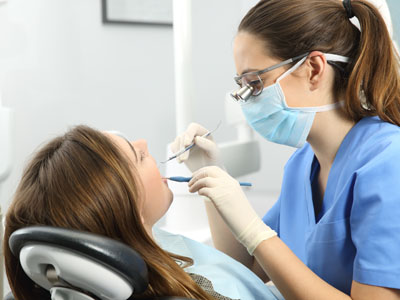
Next comes removal of plaque and tartar. Hygienists use a combination of precision hand instruments and ultrasonic scalers to dislodge hardened deposits. Ultrasonic scalers use gentle vibrations and water irrigation to lift away tartar efficiently, while hand tools provide careful detail work along the gumline and between teeth.
After deposits are removed, teeth are polished to smooth the enamel and eliminate surface stains, then flossed to remove residual debris. Many offices conclude the visit with a final inspection and targeted oral care tips tailored to the patient’s needs. This systematic approach restores cleanliness and leaves your mouth feeling refreshed.
For some patients, dental cleanings can cause discomfort—especially if gums are inflamed or teeth are sensitive. Modern practices prioritize comfort by offering options such as topical anesthetics for localized sensitivity and brief breaks during treatment when needed. Communication with your hygienist allows adjustments in technique and pace to ensure a positive experience.
Patients with dental implants, orthodontic appliances, or complex restorative work receive specialized attention. Hygienists use appropriate instruments and strategies that protect prosthetics and hardware while still providing a thorough cleaning. Similarly, if you have medical conditions that affect dental care, the team will adapt protocols to keep you safe and comfortable throughout the visit.
Children and older adults also benefit from tailored approaches. Pediatric cleanings focus on education and gentle technique to build lifelong habits, while senior care emphasizes managing wear, sensitivity, and the maintenance of existing restorations. In every case, the emphasis is on preserving comfort and achieving lasting results.
A professional cleaning is more than a mechanical service — it’s an opportunity for personalized coaching. Hygienists provide practical instruction on brushing methods, flossing technique, and product recommendations that fit your individual oral environment. Small adjustments at home can significantly extend the benefits of an in-office cleaning.
Dietary patterns, smoking, and certain medications can influence oral health, and your dental team can explain how these factors affect plaque buildup and gum health. By combining clinical treatment with actionable home-care guidance, patients leave with clear steps to protect their smiles between appointments.
Monitoring is another important benefit. Regular cleanings allow the dental team to track trends—such as increasing sensitivity, early decay, or gum changes—so interventions can be less invasive and more effective. The best outcomes come from consistent attention over time, not from addressing problems only after they become severe.
At the office of 360 Dental of Mill Creek, we approach cleanings as a cornerstone of preventive dentistry. Our team combines technical skill with patient-centered communication to make each visit efficient, informative, and as comfortable as possible. We encourage questions and provide clear, evidence-based explanations so patients can make informed choices about their oral health.
Our hygienists and dentists work together to create individualized care plans that reflect each patient’s history, risk factors, and lifestyle. Whether the focus is maintaining a healthy routine, managing periodontal concerns, or preparing for restorative work, professional cleanings are scheduled and adjusted to match your needs over time.
We believe prevention empowers patients. With routine cleanings, thoughtful guidance, and a partnership approach, adults and children alike can reduce the likelihood of serious dental problems and preserve natural teeth for a lifetime.
In summary, dental cleanings are an essential, proactive step toward a healthier mouth and a more confident smile. If you’d like to learn more about what to expect during a preventive visit or how often you should come in, please contact us for more information.
Dental cleanings are professional preventive visits in which a licensed hygienist removes plaque, tartar and surface stains that regular brushing and flossing cannot fully address. These visits include a careful inspection of the teeth, gums and existing dental work so early signs of decay or gum disease can be identified and monitored. By interrupting the buildup of bacteria and hardened deposits, cleanings reduce the risk of cavities and periodontal inflammation and help maintain a healthy oral environment.
Beyond immediate oral benefits, routine cleanings contribute to more efficient dental care over time by catching problems when they are small and easier to treat. Patients who maintain regular cleanings typically require fewer complex restorative procedures, and hygienists provide targeted coaching that improves home care between visits. In short, dental cleanings are a practical, evidence-based foundation for long-term oral health.
Professional cleanings reach areas that daily home care often misses, including tight interproximal contacts, deep grooves and the portion of the tooth near the gumline where tartar accumulates. Hygienists use specialized instruments such as ultrasonic scalers and hand scalers to dislodge and remove hardened deposits that cannot be removed by a toothbrush or floss alone. The clinical assessment that accompanies a cleaning also identifies early signs of disease that might not be visible or symptomatic to the patient.
While brushing and flossing remain essential for daily plaque control, cleanings complement those habits by eliminating persistent deposits and polishing enamel to reduce future staining. The combined approach—consistent home care plus periodic professional maintenance—offers the best protection against decay and gum disease. Additionally, professional visits provide an opportunity for personalized recommendations on technique and products tailored to each patient’s needs.
For most adults and children, a cleaning every six months provides a reliable schedule for maintaining oral health and allows the dental team to monitor trends over time. That general guideline balances preventive oversight with practical frequency, but individual recommendations can vary based on factors such as history of periodontal disease, tendency to form tartar, medical conditions or certain medications. Your hygienist and dentist will assess your risk profile and may suggest more frequent visits if you have specific concerns.
Patients with ongoing gum disease, heavy tartar buildup, or weakened immune responses may benefit from three- or four-month maintenance intervals to control inflammation and slow disease progression. Conversely, people with excellent oral health and low risk may be adequately served by annual or semiannual visits depending on professional guidance. The key is a personalized schedule that prioritizes consistent maintenance rather than one-off fixes.
A typical cleaning begins with a visual and tactile evaluation of the mouth to check the gums, teeth and any restorations or appliances for signs of inflammation, decay or damage. If X-rays or additional diagnostics are needed, those steps are coordinated and reviewed with you so the hygienist can tailor the cleaning to identified needs. The cleaning itself usually combines ultrasonic scaling to break up tartar with hand instrumentation for precise removal along the gumline and between teeth.
After deposits are removed, the hygienist polishes the teeth to smooth enamel and reduce surface stains, flosses to clear remaining debris, and performs a final inspection to confirm the mouth is clean. Many practices conclude the visit with personalized oral hygiene tips and product recommendations to help extend the benefits of the appointment. When appropriate, the dentist will review findings and discuss any follow-up or preventive treatments.
Sensitivity during cleanings is common for patients with inflamed gums, exposed root surfaces or worn enamel, and modern dental teams prioritize comfort through both technique and supportive options. Hygienists can adjust instrument pressure and pacing, provide brief breaks during the appointment, and use topical desensitizing agents to reduce immediate discomfort. Clear communication about areas of sensitivity allows the clinician to adapt the procedure and avoid unnecessary pain.
For patients with chronic sensitivity, the team may recommend preventive strategies such as prescription or over-the-counter desensitizing toothpaste, fluoride varnishes to strengthen enamel, or targeted treatments for recession and wear. Addressing the underlying cause—whether brush abrasion, gum recession or restorative issues—helps reduce sensitivity over the long term and makes future cleanings more comfortable. Consistent maintenance and proper home care also play an important role in minimizing sensitivity.
Yes. Cleanings for patients with dental implants, fixed bridges, crowns or orthodontic appliances require specialized instruments and techniques to protect prosthetics while removing plaque and biofilm effectively. Hygienists use nonabrasive tips and dedicated interproximal tools around implants and may employ specific protocols to avoid scratching implant surfaces or disrupting seals around restorations. When braces or clear aligners are present, care focuses on removing plaque around brackets and between wires and teeth to prevent decay and gum inflammation.
Communication about the type of restorative work or appliances you have ensures the hygienist chooses the safest and most effective approach for your mouth. Regular professional maintenance is especially important for prosthetics and orthodontic cases because plaque accumulation near hardware can lead to complications if not controlled. The goal is to preserve both natural teeth and any restorative work with a tailored, careful cleaning strategy.
Pediatric cleanings emphasize gentle technique, education and positive reinforcement to help children develop good oral habits and reduce dental anxiety. Hygienists focus on teaching age-appropriate brushing and flossing methods, monitoring eruption patterns and identifying early signs of decay or orthodontic needs. Building a comfortable, informative experience early on sets the stage for lifelong preventive care.
For older adults, cleanings often pay special attention to wear, gum recession, root sensitivity and the maintenance of existing restorations or dentures. Age-related changes and certain medical conditions can increase the risk of dry mouth, root decay or periodontal disease, so professionals tailor cleanings and home-care recommendations to address these concerns. Regular monitoring helps preserve natural teeth, ensure the function of restorations and maintain overall oral comfort as patients age.
Consistent daily brushing with a fluoridated toothpaste, once- or twice-daily flossing and the use of interdental cleaners where appropriate are the core habits that extend the benefits of a professional cleaning. Your hygienist can demonstrate effective brushing technique, proper flossing patterns and recommend adjuncts such as antimicrobial rinses or specific toothbrush types to match your needs. Small adjustments in technique and routine products can meaningfully reduce plaque accumulation between visits.
Dietary choices, tobacco use and certain medications also affect oral health, so following guidance on reducing sugary or acidic snacking and addressing habits that increase plaque risk will support long-term outcomes. Keeping scheduled preventive appointments and promptly reporting new symptoms such as persistent bleeding, swelling or sensitivity enable early intervention. When home care and professional maintenance align, patients achieve the best protection against progressive dental problems.
Yes. Research links chronic oral inflammation to systemic conditions such as poorly controlled diabetes and certain cardiovascular concerns, so managing gum inflammation and bacterial load through regular cleanings can be part of an overall health strategy. Cleanings reduce local bacterial reservoirs and inflammation that may contribute to systemic inflammatory burden, and dental professionals often coordinate care considerations with a patient’s medical providers when relevant. While cleanings are not a cure for systemic disease, they support broader health goals by controlling a common source of chronic oral infection.
For patients with medical conditions or compromised immune systems, the dental team will take extra care in scheduling, infection control and preventive measures to minimize oral-systemic risk. Documenting oral health trends over time also helps both dental and medical clinicians make informed decisions about care. Regular preventive dental care is therefore an important component of whole-person health maintenance.
At your first preventive visit you can expect a comprehensive evaluation that includes a visual exam, discussion of your dental and medical history, any necessary diagnostic images and a professional cleaning tailored to your needs. The team will explain findings in plain language, outline recommended recall intervals and provide practical coaching on home care techniques and product choices. This collaborative, educational approach ensures each visit is both efficient and informative.
At the office of 360 Dental of Mill Creek the focus is on combining technical skill with patient-centered communication so every preventive visit leaves you with clear next steps and a plan for maintaining oral health. If you have special needs, anxiety or complex restorative work, let the team know in advance so your appointment can be adapted for comfort and safety. Regular cleanings, thoughtful guidance and a partnership with your dental team make long-term oral health more achievable and predictable.