Enjoy the Benefits of a Beautiful Smile in Just a Single Visit!
CEREC® offers convenient, faster and more comfortable care to provide a range of high quality same day restorations including ceramic crowns, inlays and onlays.



CEREC® offers convenient, faster and more comfortable care to provide a range of high quality same day restorations including ceramic crowns, inlays and onlays.
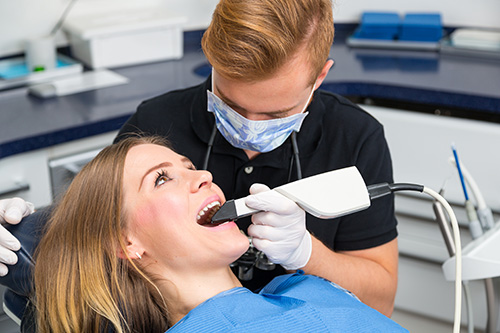
In just one appointment you can have a naturally beautiful restoration to enhance the beauty and function of your smile. With CEREC® there is no need for multiple office visits, messy dental impressions, a temporary crown, or waiting weeks for your dental work to come back from the laboratory. Your new restoration is designed and customized to the exact specifications of your smile all in the very same day!
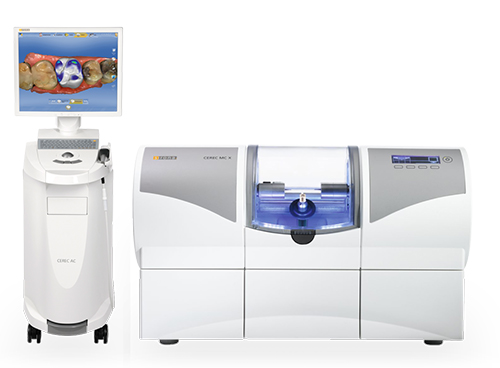
CEREC® is an advanced method of care, which allows for the preparation and placement of same day ceramic restorations. Offering the utmost in terms of quality and convenience, this high-tech system utilizes CAD/CAM technology, or computer aided design and computer aided manufacturing to make every step of the restoration process more patient-friendly and precise. Using an ergonomically designed intraoral scanning wand in place of a conventional dental impression, the dentist is able to capture detailed 3D images of the prepared tooth and surrounding dentition. These images are then integrated by an advanced computer software program to produce an accurate model and plan a precise fitting, functional, and cosmetically pleasing restoration. As soon the restoration is designed and approved by the dentist, the information is sent wirelessly to a chairside milling machine where a ceramic restoration is fabricated as the patient waits.

A CEREC® single visit crown offers much more than a convenient approach to getting a dental crown. It is a high quality, naturally beautiful, extremely durable and long-lasting dental restoration!

CEREC is a dental system that designs and fabricates ceramic restorations in a single appointment using digital scanning, CAD software, and a chairside milling unit. The process begins with an intraoral scanner that captures detailed 3D images of the prepared tooth and surrounding dentition. Those images are used to design a precise restoration that fits the tooth anatomy and occlusion before fabrication.
Once the dentist approves the design, the digital file is sent to a milling machine that carves the restoration from a high-strength ceramic block while the patient waits. After finishing touches and glazing or staining, the restoration is tested, adjusted, and bonded for immediate function and appearance. This workflow eliminates the need for temporary crowns and multiple visits associated with traditional lab-fabricated restorations.
CEREC can produce a variety of ceramic restorations including single crowns, inlays, onlays, and certain small veneers depending on the clinical situation. These restorations are milled from durable ceramics that replicate the color, translucency, and surface texture of natural teeth. Because the restoration is designed chairside, the shape, shade, and contacts can be customized to blend with adjacent teeth.
The technology is particularly useful for restoring teeth with moderate decay, fractures, or large existing fillings that require durable coverage. In cases where conserving natural tooth structure is a priority, CEREC often offers a conservative alternative to full-coverage solutions. Your dentist will evaluate the tooth and recommend the restoration type best suited for long-term function and aesthetics.
A CEREC appointment is typically completed in a single visit that includes tooth preparation, digital scanning, CAD design, milling, and final placement of the restoration. The overall duration varies with the complexity of the case, the number of restorations, and any additional procedures such as root canal therapy or periodontal work. Straightforward single-tooth restorations often require only a few hours from start to finish, allowing patients to leave with a finished restoration the same day.
The digital workflow reduces downtime between preparation and placement because there is no laboratory turnaround. Patients receive care instructions and a brief follow-up plan at the end of the visit to ensure proper integration and comfort. If additional treatments are needed, the dentist will discuss sequencing and expectations before beginning care.
Patients who need single-tooth restorations such as crowns, inlays, or onlays and who prefer a same-day solution are often suitable candidates for CEREC. Important clinical factors include adequate remaining tooth structure, healthy surrounding gum tissue, and a bite that can be managed with a ceramic restoration. Cases that involve full-mouth reconstruction, very large spans, or advanced implant prosthetics may require alternative planning or laboratory collaboration.
A comprehensive examination including digital imaging and occlusal analysis helps determine candidacy for chairside restorations. The dentist will review your medical and dental history, evaluate any habits such as clenching or grinding, and recommend the material and technique most likely to deliver a durable outcome. This individualized assessment ensures the chosen approach aligns with long-term oral health goals.
CEREC restorations are made from high-strength dental ceramics engineered for excellent wear resistance, color stability, and biocompatibility. When properly designed, fitted, and bonded, these restorations offer long-term function and esthetics comparable to conventionally fabricated ceramic crowns. The lifespan of any restoration depends on factors such as oral hygiene, diet, occlusal forces, and regular dental maintenance.
Routine dental checkups and good home care help detect early signs of wear, marginal breakdown, or recurrent decay and can extend the functional life of the restoration. For patients with parafunctional habits, protective measures like occlusal guards may be recommended to mitigate excessive stress. Your dentist will discuss expected longevity and maintenance tailored to your situation.
CEREC differs from traditional lab-made crowns through its digital workflow and in-office fabrication, which eliminate physical impressions, temporary restorations, and laboratory turnaround time. Both methods can produce high-quality ceramic restorations, but CEREC offers the convenience of same-day delivery and enhanced clinician control over the design process. Traditional laboratory techniques may still be preferred for highly complex cases or when specialized materials and layering techniques are required.
When digital scanning and design are performed accurately, fit and aesthetics are comparable to lab-fabricated restorations, and modern chairside ceramics meet rigorous strength standards. The decision between chairside and lab approaches is based on clinical complexity, patient preferences, and the dentist’s experience with digital design. A careful evaluation helps determine the best method to achieve durable, natural-looking results.
During a CEREC appointment the dentist first prepares the tooth by removing decay and shaping it for the restoration, then captures a digital impression with an intraoral scanner. The scanned images are used to design the restoration on CAD software, and the patient may see the proposed shape on the screen as adjustments are made. Once the design is finalized, the data is sent to a milling unit that fabricates the restoration from a ceramic block while the clinical team prepares for placement.
After milling, the restoration is finished, tried in to verify fit and occlusion, and any minor adjustments are made before permanent bonding. The dentist uses adhesive techniques to create a strong seal and restores proper contour and function. Before leaving, patients receive postoperative care instructions and a plan for routine follow-up to monitor the restoration.
Caring for a CEREC restoration follows the same practices recommended for natural teeth: brush twice daily with fluoride toothpaste, floss daily, and attend regular dental examinations and professional cleanings. Avoid using teeth as tools and limit biting into very hard substances to reduce the risk of chipping or fracture. If you have habits such as grinding or clenching, discuss protective options like a nightguard with your dentist to preserve the restoration.
Report any unusual sensitivity, discomfort, or changes in your bite promptly so the dental team can make timely corrections. Regular dental visits allow the dentist to assess margins, contacts, and surrounding gum tissue for signs of wear or recurrent decay. With consistent care and monitoring, a well-made CEREC restoration can remain functional and esthetic for many years.
While CEREC is an advanced and effective system, limitations include situations where extensive structural rebuilding, very large restorations, or specific cosmetic demands may be better addressed with laboratory processes or alternative materials. Patients with severe bruxism, limited mouth opening, or highly complex occlusal schemes may require additional planning, protective measures, or a different restorative strategy. The dentist evaluates these variables to determine whether chairside milling is the most appropriate option.
As with any restoration there are potential risks such as marginal leakage, fracture, or postoperative sensitivity if preparation, fit, or bonding is inadequate. These risks are mitigated by a thorough clinical exam, precise digital scanning, and meticulous bonding protocols. Your dentist will explain any case-specific limitations and the steps taken to reduce potential complications before treatment begins.
At the office of 360 Dental of Mill Creek we incorporate CEREC to provide efficient, precise single-visit restorations that emphasize conservation of tooth structure and patient convenience. Our team uses digital scanning, CAD design, and chairside milling to fabricate custom ceramic restorations while patients remain comfortable in a modern clinical environment. This integrated workflow enables us to maintain control over design and quality at every step, producing predictable, natural-looking results.
Before recommending CEREC, we perform a comprehensive examination and discuss clinical goals, material options, and any preparatory care so patients understand the expected outcomes. Follow-up appointments are scheduled as needed to evaluate fit, occlusion, and oral health, and our team provides clear instructions for ongoing maintenance. Patients can expect a streamlined experience focused on accuracy, safety, and long-term function.