Call Us Today!
(425) 999-8159
New Patients
(425) 264-7102


At the office of 360 Dental of Mill Creek, we blend modern materials and meticulous technique to restore teeth that have been weakened by decay, injury, or wear. Our goal is to preserve as much natural tooth structure as possible while delivering restorations that function reliably and look indistinguishable from the teeth around them. When a crown is the best avenue for long-term success, we focus on outcomes that improve both comfort and confidence.
Even though tooth enamel is the hardest substance in the body, teeth can still fracture, erode, or become extensively decayed. In many cases, a filling repairs minor damage; when a tooth’s structure is significantly compromised, however, a full-coverage crown becomes the better solution. Crowns protect the remaining tooth, restore proper biting forces, and recreate a natural appearance.
Advances in ceramic materials have changed what patients can expect from crowns. All-ceramic options now provide outstanding strength, exceptional aesthetics, and improved biocompatibility without the visible metal margins of older restorations. Throughout treatment, our team prioritizes clear communication so you understand why a crown is recommended and what the process will involve.
A crown is prescribed when the extent of damage or the functional demands on a tooth require more than a simple restoration. It fully encases the visible portion of the tooth, rebuilding its shape and protecting it from further breakdown. In clinical terms, crowns restore form, redistribute biting forces, and reduce the risk of fracture.
Beyond mechanical protection, crowns can correct aesthetic concerns. A crown can mask deep stains, reshape an irregular tooth, or lengthen a worn cusp so the smile looks balanced and the bite is comfortable. Choosing a crown is often both a restorative and an aesthetic decision.
Your dentist will evaluate the tooth’s remaining structure, the location of the tooth in the arch, and any habits such as clenching or grinding before recommending a crown. Treatment planning takes a conservative approach: we preserve healthy tooth tissue where possible and select materials that match your functional and cosmetic needs.
A crown is considered when:
The tooth has large areas of decay or a fracture that undermines its strength
A previous large filling has failed or left the tooth vulnerable to further damage
An implant needs an aesthetic and durable prosthetic tooth
A crown is required to anchor a traditional bridge as the supporting abutment
A tooth has undergone root canal treatment and needs reinforcement to prevent fracture
You need to improve the appearance of a misshapen, discolored, or underdeveloped tooth
Bite problems demand a restoration that restores proper vertical height and occlusion

Modern ceramic crowns are engineered to mimic the light-reflecting qualities and translucency of natural enamel. Unlike older restorations that relied on metal substructures, today’s ceramics allow for seamless color matching and natural depth. This makes them an excellent choice for visible front teeth or any restoration where aesthetics matter.
At the same time, advances in material science have improved the mechanical properties of ceramics. Many all-ceramic systems now deliver strength levels that rival, and sometimes exceed, traditional porcelain-fused-to-metal crowns. The result is a durable restoration that doesn’t force you to compromise between appearance and function.
Ceramic crowns also offer tissue-friendly interfaces. Their smooth, non-reactive surfaces are less likely to irritate gums, and because they are metal-free, they are a reliable option for patients with metal sensitivities. In practice, this translates into restorations that look great and sit comfortably in the mouth for years.
Reasons clinicians and patients prefer all-ceramic crowns:
They closely reproduce natural tooth translucency and surface texture
Many ceramic systems require less aggressive tooth reduction than older alternatives
Ceramics are lighter than restorations that use a metal substructure
The gum tissues generally respond well to ceramic restorations
They resist staining and retain their esthetic qualities over time
Being metal-free, they eliminate concerns for patients with metal allergies
No visible metal margin shows at the gumline, so the restoration appears natural at the tooth’s edge
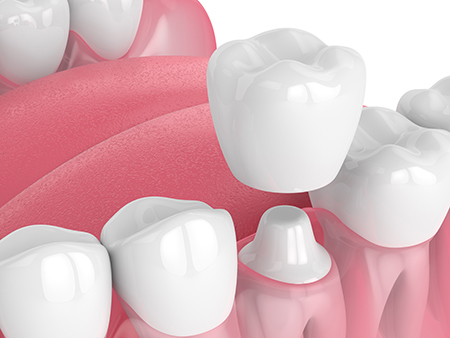
Not all ceramics are identical; different formulations are suited to different clinical situations. When selecting a material, your dentist balances factors such as the tooth’s location, how much chewing force it will face, and how visible the tooth is when you smile.
For front teeth where appearance is the priority, more translucent ceramics that closely mimic enamel are often chosen. For back teeth that endure stronger chewing forces, denser, more fracture-resistant ceramics provide the necessary durability. Sometimes a hybrid approach is used, combining materials to achieve the optimal blend of strength and esthetics.
We evaluate each case and recommend the ceramic that best matches the demands of the tooth and your cosmetic goals. The choice affects not only how the restoration looks but also how long it performs under daily use.
Common ceramic options include:
Lithium disilicate porcelain—known for excellent esthetics and good strength for anterior and some posterior uses
Leucite-reinforced pressable porcelain—offers fine optical properties for highly aesthetic front-tooth restorations
Solid or monolithic zirconia—extremely strong and well-suited for high-stress posterior crowns and implant restorations
High-translucent zirconia—designed to combine improved appearance with the strength of zirconia for visible posterior restorations

Receiving a crown typically involves a few predictable steps designed to protect the tooth and deliver a precise final restoration. The process starts with a thorough exam and diagnostic imaging to confirm the tooth’s condition and inform your treatment plan. We discuss the recommended material and the reasons behind the choice so you feel confident in the approach.
During preparation, the tooth is shaped to create space for the crown while preserving as much healthy structure as possible. An impression or digital scan is taken to capture exact details of the prepared tooth and surrounding teeth. While the final crown is being fabricated, a temporary restoration protects the tooth and maintains appearance and function.
At the placement appointment, the final crown is carefully checked for fit, color, and bite. Minor adjustments are made as needed before a durable dental cement bonds the crown in place. We review home care recommendations and any follow-up needed to help ensure the restoration performs well over time.
Our practice combines up-to-date materials with a thoughtful, patient-centered approach. We take time to evaluate each situation comprehensively, advising on the options that best preserve tooth health while delivering natural-looking results. From conservative preparation techniques to careful shade matching, our approach reflects attention to both form and function.
Technology plays a role in predictable outcomes: digital diagnostics and precise lab communication help ensure a crown fits accurately and looks seamless with your natural teeth. Equally important is our commitment to patient comfort and clear explanations, so you understand each step and what to expect from your restoration.
Whether you need to restore a weakened tooth, complete an implant, or improve the appearance of a single tooth, our team aims to provide restorations that serve you well for years. We focus on solutions that support long-term oral health while achieving the aesthetic outcome you want.
In summary, ceramic crowns are a versatile, modern solution for restoring teeth that require more than a filling. They offer an effective combination of strength, biocompatibility, and lifelike appearance. If you’re considering a crown or want to learn which material suits your smile best, please contact us for more information.

Ceramic crowns are full-coverage restorations made from advanced porcelain and zirconia-based materials designed to replace the visible portion of a damaged tooth. They are engineered to mimic the translucency, color variation, and surface texture of natural enamel while providing structural support. Unlike older crown types that rely on a metal substructure, all-ceramic crowns are metal-free and eliminate visible dark margins at the gumline.
Ceramic systems vary in composition and optical properties, so clinicians select materials based on the tooth's location and functional demands. Many ceramic options now match or approach the strength of metal-supported restorations while offering improved aesthetics and biocompatibility. This combination makes ceramic crowns a preferred choice when both appearance and durability are important.
A crown is recommended when the extent of decay, fracture, or previous restorative work has compromised the tooth's strength beyond what a filling can reliably restore. Crowns fully encase the prepared tooth, redistributing biting forces and reducing the risk of further fracture, which is especially important for teeth with large restorations or roots treated with endodontics. A crown may also be chosen to correct significant aesthetic concerns, protect an implant restoration, or serve as an abutment for a bridge.
Before recommending a crown, the dentist evaluates the remaining tooth structure, the tooth's position in the mouth, and any habits such as clenching or grinding that could affect the restoration. The treatment plan aims to preserve healthy tooth tissue where possible and to select a material that meets both functional and cosmetic needs. Clear communication during this process helps patients understand why a crown is the most predictable option for long-term success.
Common ceramic materials include lithium disilicate, leucite-reinforced porcelain, monolithic zirconia, and high-translucent zirconia, each with distinct strengths and optical qualities. Lithium disilicate offers excellent esthetics and good strength for anterior and some posterior uses, while leucite-reinforced porcelain provides fine optical properties for highly visible restorations. Monolithic zirconia is extremely strong and suited for high-stress posterior teeth and implant restorations, and high-translucent zirconia balances improved appearance with robust mechanical performance.
The choice of material depends on factors such as the tooth's function, aesthetic requirements, and how much tooth reduction is needed to accommodate the restoration. In some cases, hybrid approaches combine materials to achieve an optimal blend of translucency and durability. Your dentist will recommend the material that best matches your clinical situation and cosmetic goals.
The lifespan of a ceramic crown varies with material choice, the quality of the fit, the health of the underlying tooth, and the patient's oral habits, but many well-made crowns function effectively for years when properly cared for. Factors that shorten longevity include poor oral hygiene, recurrent decay at the margin, heavy occlusal forces, and habits such as bruxism or chewing hard objects. Regular dental visits allow the dentist to monitor the crown and address small issues before they progress.
Proper preparation, precise laboratory fabrication or CAD/CAM milling, and correct cementation techniques all contribute to predictable long-term performance. Wearing a nightguard can protect crowns for patients who clench or grind, and prompt treatment of gum disease or decay around the restoration helps preserve its service life. With good home care and routine professional maintenance, many ceramic crowns can remain functional and aesthetic for a decade or longer.
The crown process typically begins with a comprehensive exam and diagnostic imaging to assess the tooth and plan treatment, including material selection and any preparatory work. During the preparation appointment the tooth is gently shaped to create space for the crown while preserving as much healthy structure as possible, and an impression or digital scan captures the precise contours of the prepared tooth and surrounding dentition. A temporary crown protects the tooth and maintains function and appearance while the final restoration is fabricated.
At the placement visit the dentist verifies fit, color match, and bite, making minor adjustments as needed before bonding the crown with a durable dental cement. Instructions for short-term care and any follow-up appointments are reviewed to ensure a smooth transition. Technology such as digital scanning and close communication with the dental laboratory help deliver an accurate, natural-looking restoration.
Caring for a ceramic crown is much like caring for natural teeth: brush twice daily with a soft-bristled toothbrush and fluoride toothpaste and floss daily to remove plaque at the crown margins. Avoid using the crown to open packages or to bite extremely hard objects, and minimize habits that place excessive force on the restoration. If you have a tendency to grind or clench, ask your dentist about a custom nightguard to protect the crown and surrounding teeth.
Attend regular dental checkups so the dentist can examine the crown, check the bite, and detect early signs of wear or marginal decay. Prompt attention to any sensitivity, looseness, or changes in how the crown feels can prevent more extensive problems. Consistent home care and professional monitoring help maintain both the health of the restored tooth and the longevity of the crown.
Yes. Ceramic crowns are metal-free and are often recommended for patients with documented metal allergies or sensitivities because they eliminate the risk of a reaction to metal components. The smooth, non-reactive surfaces of ceramic materials are generally well tolerated by the surrounding gum tissues and help avoid the dark margin that can occur with metal-based restorations. For patients concerned about biocompatibility, all-ceramic solutions provide an attractive and tissue-friendly alternative.
Material selection still matters: some ceramics prioritize translucency and aesthetics while others emphasize strength, so your dentist will select the option that meets both your health and cosmetic needs. Proper planning ensures the crown functions well in the bite and integrates comfortably with adjacent teeth and soft tissues. If you have a history of sensitivities, discuss it with your dental team so they can tailor the treatment accordingly.
Ceramic crowns are commonly used on implant abutments and as part of fixed bridgework when an aesthetic, metal-free solution is desired. On implants, ceramic crowns are attached to custom abutments and designed to replicate a natural tooth while providing a strong interface with the implant. For bridges, adjacent teeth or implants are prepared to support the prosthesis, and ceramic materials can be selected to match the appearance and strength requirements of the span.
Successful implant and bridge restorations require careful planning to ensure proper fit, occlusion, and hygiene access around the prosthesis. Digital workflows, precise impressions or scans, and coordinated lab work help produce restorations that are comfortable, functional, and visually cohesive with the rest of the smile. Your dentist will explain the advantages and considerations for using ceramic crowns in these restorative situations.
While ceramic crowns are highly successful, potential complications include porcelain chipping or fracture, sensitivity after preparation, recurrent decay at the crown margin, and issues related to an improper bite or poor fit. The likelihood of these problems is reduced by accurate diagnosis, conservative preparation, quality laboratory work, and correct cementation techniques. Regular follow-up appointments allow the dentist to identify and manage small concerns before they become larger problems.
If a crown chips or becomes loose, timely evaluation can often preserve the restoration or allow for repair rather than full replacement. Patients with heavy occlusal forces or certain bite relationships may require stronger ceramic formulations or protective appliances to reduce risk. Open communication with your dental team about symptoms or changes helps ensure appropriate corrective steps are taken promptly.
The office of 360 Dental of Mill Creek combines modern materials and digital technology with a patient-focused approach to deliver predictable, natural-looking ceramic restorations. We prioritize conservative preparation, precise shade matching, and clear communication so patients understand the treatment plan and expected outcomes. Digital diagnostics and close laboratory collaboration help ensure crowns fit accurately and blend seamlessly with surrounding teeth.
Our team emphasizes long-term function and comfort by recommending materials tailored to each tooth's location and load requirements, and by advising on protective measures when needed. Routine follow-up and attention to home care reinforce the restoration's longevity and the overall health of your smile. If you are considering a ceramic crown, we welcome a consultation to review options specific to your needs.